
Are Offshore Gambling Sites Legal US? The Definitive Guide
are offshore gambling sites legal US

Are Offshore Gambling Sites Legal US? The Definitive Guide

Navigate the intricate legalities of online gambling from offshore platforms in the United States and protect yourself.

Understand the Law

Key Takeaways

  • ✓ Federal laws like the UIGEA target payment processors, not individual players.
  • ✓ Legality for players varies significantly by state, with some states explicitly prohibiting all online gambling.
  • ✓ Offshore sites operate outside US jurisdiction, offering fewer consumer protections.
  • ✓ Depositing and withdrawing from offshore sites can be challenging and risky.
  • ✓ Regulated US-based online casinos offer a safer, legal alternative in many states.

How It Works

1
Player Accesses Offshore Site

An individual in the US accesses a gambling website hosted and licensed in a foreign jurisdiction, such as Curacao or Costa Rica. These sites often target US players despite not being licensed domestically.

2
Deposit Funds

The player attempts to deposit money using methods like credit cards, cryptocurrencies, or e-wallets. US banks and payment processors are often restricted from facilitating transactions with unlicensed offshore gambling sites due to federal laws.

3
Engage in Gambling

The player participates in casino games, sports betting, or poker. The fairness of games and integrity of payouts on offshore sites are not guaranteed by any US regulatory body.

4
Withdraw Winnings (or Face Issues)

If successful, the player tries to withdraw winnings. This step often presents significant hurdles, including delayed payments, complex verification processes, or outright refusal, with little recourse for the player.

Understanding the Federal Stance on Offshore Gambling Legality
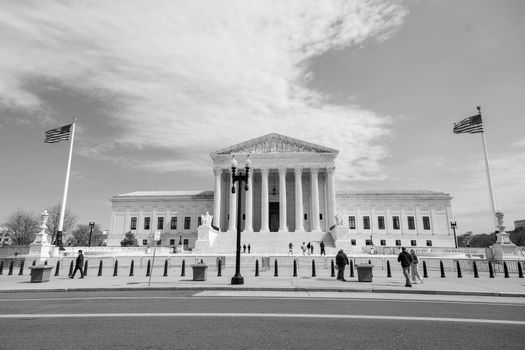
Classic view of the US Supreme Court building in Washington, D.C., highlighting neoclassical architecture. Photo: Quang Vuong / Pexels
The question of 'are offshore gambling sites legal US' is fraught with nuance, primarily due to the layered nature of American law. At the federal level, there isn't a blanket ban explicitly targeting individual players who engage with offshore gambling sites. Instead, federal legislation has historically focused on the financial transactions that facilitate such activities, rather than the act of placing a bet itself. The most significant piece of legislation in this regard is the Unlawful Internet Gambling Enforcement Act (UIGEA) of 2006. This act doesn't make online gambling illegal per se, but it prohibits gambling businesses from knowingly accepting payments in connection with unlawful internet gambling. This distinction is crucial. It primarily targets banks, credit card companies, and other payment processors, making it difficult for them to process transactions to and from offshore gambling sites. Consequently, while a US citizen might not face federal prosecution for playing on an offshore site, the practical hurdles of depositing funds or withdrawing winnings can be substantial. Many financial institutions, in an effort to comply with UIGEA, block transactions identified as gambling-related, regardless of their specific legality. This creates a challenging environment for players trying to use traditional banking methods. The UIGEA’s impact is less about criminalizing the player and more about cutting off the financial lifeblood of offshore operators that lack proper US licensing. This legislative approach forces many offshore sites to rely on alternative payment methods like cryptocurrencies or less scrutinized e-wallets, which themselves come with their own set of risks and complexities. It's also important to note that the Wire Act of 1961, initially targeting sports betting via telegraph, has been reinterpreted over the years to apply to online gambling, adding another layer of federal scrutiny. However, its application to non-sports gambling has been debated and subject to different interpretations by the Department of Justice, adding to the legal ambiguity. Ultimately, the federal landscape aims to disrupt the business model of unregulated offshore gambling rather than directly prosecuting individuals for participating. This leaves a significant portion of the legality question to individual state laws, creating a complex patchwork of regulations across the country. Understanding these federal frameworks is the first step in comprehending why simply asking 'are offshore gambling sites legal US' doesn't yield a straightforward 'yes' or 'no' answer, and why it's essential to look deeper into state-specific regulations. For a broader understanding of the legal landscape, you might want to explore the general context of gambling laws in the US. The absence of direct federal prohibition on individual play does not equate to legality or safety, as we will explore further.

State-Specific Laws and the Ambiguity for Players

Close-up of a judge's gavel resting on US dollar bills and an American flag, symbolizing justice and finance. Photo: Towfiqu barbhuiya / Pexels
While federal laws largely focus on financial transactions, the core of whether 'are offshore gambling sites legal US' for an individual player often rests with state-specific legislation. This is where the legal landscape becomes a true maze, as each state has the autonomy to regulate or prohibit gambling within its borders. Some states, such as New Jersey, Pennsylvania, Michigan, and West Virginia, have established comprehensive regulatory frameworks for online casinos and sports betting. In these states, licensed and regulated online gambling platforms operate legally, offering a secure environment for players. For residents of these states, patronizing a state-licensed site is unequivocally legal and comes with consumer protections. However, the vast majority of US states have not yet legalized or regulated online gambling. In these states, the situation regarding offshore sites becomes far more ambiguous. Many state statutes contain broad prohibitions against participating in 'unlawful gambling,' which can be interpreted to include any form of gambling not explicitly sanctioned by the state. While most states have historically not pursued individual players for engaging in online gambling, the legal risk, however small, still exists. The primary concern for players in non-regulated states isn't necessarily direct prosecution, but rather the lack of legal recourse if something goes wrong with an offshore site. If an offshore casino refuses to pay out winnings, closes an account without warning, or is found to be operating with unfair games, a player in a state without legalized online gambling has virtually no legal standing to recover their funds or dispute the issue. There are no state regulatory bodies to complain to, and US courts have no jurisdiction over companies based in foreign countries. This puts the player in a highly vulnerable position. Furthermore, some states have taken a more aggressive stance. For example, Washington State explicitly makes it a felony to transmit or receive gambling information via the internet. While enforcement against individual players is rare, such laws underscore the potential legal pitfalls. The legal risks are compounded by the fact that offshore sites operate without the rigorous licensing and oversight found in regulated US markets. This means they may not adhere to responsible gambling practices, age verification protocols, or robust cybersecurity standards. Players might unknowingly expose themselves to identity theft, financial fraud, or predatory practices. The lack of clarity around 'are offshore gambling sites legal US' at the state level means that players are essentially operating in a legal gray area, one that offers little protection and significant potential downsides. It's a gamble not just on the games themselves, but on the legal and financial security of the player. For this reason, understanding your state's specific laws is paramount before considering any form of online gambling, especially with offshore entities.

Risks Associated with Unregulated Offshore Gambling Sites

A casino dealer handling cards at a gaming table, ready for blackjack or poker. Photo: Anna Shvets / Pexels
Beyond the murky legal waters surrounding 'are offshore gambling sites legal US,' there are significant practical and financial risks associated with using unregulated offshore gambling sites. These risks often outweigh any perceived benefits, making them a less desirable option compared to state-regulated alternatives. Firstly, consumer protection is virtually non-existent. When you play at a licensed US online casino, you have the backing of a state regulatory body (e.g., the New Jersey Division of Gaming Enforcement or the Pennsylvania Gaming Control Board). These bodies ensure fair play, secure transactions, responsible gambling tools, and a clear dispute resolution process. Offshore sites, by contrast, operate under licenses from jurisdictions like Curacao, Costa Rica, or Panama, which often have lax regulatory oversight. If a dispute arises – whether it's about unpaid winnings, unfair game results, or account closures – you have little to no recourse. These foreign regulators often provide minimal assistance, and US legal avenues are typically unavailable. This can lead to players losing significant amounts of money with no way to recover it. Secondly, financial security is a major concern. Offshore sites may not employ the same level of cybersecurity protocols as regulated US operators. This increases the risk of your personal and financial information being compromised. Identity theft and credit card fraud are real threats when dealing with less secure platforms. Furthermore, the banking options on offshore sites are often limited and can be unreliable. As mentioned, US banks are hesitant to process transactions to these sites. This forces players to use less conventional methods, such as cryptocurrencies, gift cards, or obscure e-wallets, which can be more complex, carry higher fees, and offer fewer chargeback protections. Withdrawals can be particularly problematic, with players reporting lengthy delays, onerous verification demands, or even outright refusal to pay out large winnings. Thirdly, fair play and game integrity cannot be guaranteed. Regulated US sites are required to use certified Random Number Generators (RNGs) and are regularly audited by independent third parties to ensure games are fair and outcomes are genuinely random. Offshore sites may not be subject to such stringent requirements, raising questions about the legitimacy of their games. There's a risk that games could be rigged or payouts manipulated, giving players an unfair disadvantage. Lastly, responsible gambling measures are often lacking. Licensed US operators are mandated to offer tools for self-exclusion, deposit limits, and reality checks to help players manage their gambling habits. Offshore sites typically have minimal or no such provisions, making it easier for individuals to develop or exacerbate problem gambling behaviors. The allure of offshore sites often stems from their availability where regulated options are absent, or from offering slightly different game selections or bonuses. However, the substantial risks to your finances, personal data, and overall well-being should prompt serious consideration before engaging with them. The question 'are offshore gambling sites legal US' is just one facet; the question of their safety and reliability is arguably more critical. For more on the specifics of safe gambling, consider resources on responsible online gambling practices.

Navigating Safer Alternatives: Regulated US Online Gambling

Casual poker scene with colorful poker chips and playing cards on a wooden table. Photo: MART PRODUCTION / Pexels
Given the significant legal ambiguities and inherent risks associated with offshore gambling sites, the safest and most advisable path for US residents is to engage with state-regulated online gambling platforms. The landscape of legal online gambling in the US has expanded considerably over the past decade, offering robust and secure alternatives to unregulated offshore options. Several states, including New Jersey, Pennsylvania, Michigan, West Virginia, and Connecticut, have fully legalized and regulated online casinos. Many more states have legalized online sports betting. When you play on a site licensed by a state regulatory body, you are operating within a clear legal framework. This means your funds are protected, games are certified fair, and customer support channels are established and accountable. These regulated sites undergo rigorous vetting processes before being granted a license. This includes background checks on operators, financial stability assessments, and technical audits of their gaming software. They are required to adhere to strict operational standards, including responsible gambling protocols, robust cybersecurity measures, and transparent terms and conditions. For example, if you reside in New Jersey, you can legally play at online casinos like BetMGM, DraftKings Casino, or FanDuel Casino, all of which are licensed by the New Jersey Division of Gaming Enforcement. These platforms offer a wide array of games, competitive odds, and peace of mind knowing that your activities are fully compliant with state law and your consumer rights are protected. Deposits and withdrawals are typically smooth and secure, utilizing traditional banking methods, PayPal, or other trusted payment processors without the legal or financial hurdles associated with offshore sites. Furthermore, regulated US sites are committed to responsible gambling. They provide tools like deposit limits, loss limits, self-exclusion options, and easy access to problem gambling resources. This is a stark contrast to many offshore sites that offer minimal support for problem gamblers. While the availability of regulated online gambling varies by state, it is crucial for individuals to check their specific state laws. If online casinos or sportsbooks are legal in your state, opting for a licensed operator is the unequivocally superior choice. If your state has not yet legalized online gambling, then the most prudent advice is to wait until such legislation is passed and regulated options become available. Engaging with offshore sites in a state where online gambling is not explicitly legal puts you at unnecessary legal and financial risk. The question 'are offshore gambling sites legal US' often leads to a desire for immediate access to gambling options, but prioritizing safety, security, and legality by choosing regulated platforms is always the best strategy. The growth of the legal US online gambling market signifies a move towards safer, more transparent, and more accountable gaming experiences for players across the country.

Comparison

FeatureRegulated US Online CasinoOffshore Gambling Site (Unregulated)
LegalityLegal in licensed statesLegal ambiguity; varies by state
Consumer ProtectionHigh (state regulatory bodies)Low (lax or no oversight)
Payment SecurityHigh (secure, reliable methods)Low (risky, limited methods)
Fairness & RNG AuditsYes (mandatory & frequent)Often none or unverifiable
Dispute ResolutionFormal channels availableVirtually none
Responsible Gambling ToolsExtensive (self-exclusion, limits)Limited or absent
Data PrivacyStrong (US federal & state laws)Questionable
Withdrawal ReliabilityHigh (timely, secure)Low (delays, refusals)

What Readers Say

"I used to wonder, 'are offshore gambling sites legal US?' but then New Jersey legalized online casinos. Now I only play on regulated sites like BetMGM, and I feel completely secure with my deposits and withdrawals. It's a huge relief to know my money is safe."

Sarah J. · Trenton, NJ

"Living in a state without legal online casinos, I considered offshore sites. After researching the risks and understanding the 'are offshore gambling sites legal US' question, I decided it wasn't worth the potential hassle or loss of funds. I'm waiting for Texas to legalize."

Michael D. · Austin, TX

"Pennsylvania's regulated sites are fantastic. I've had smooth experiences with payouts and customer service. Before, I was always a bit nervous about the 'are offshore gambling sites legal US' question and the security of my information, but now I have peace of mind."

Emily R. · Philadelphia, PA

"The convenience of offshore sites is tempting, but the risks are real. I once had a withdrawal held up for weeks. It really made me think about the 'are offshore gambling sites legal US' question and whether it's truly worth the uncertainty, even if it's not strictly illegal for players here."

David L. · Orlando, FL

"Michigan's regulated online gambling has been a game-changer. I appreciate the consumer protections and the clear legal framework. No more worrying about 'are offshore gambling sites legal US' or if my winnings will actually arrive."

Jessica M. · Detroit, MI

Frequently Asked Questions

Is it illegal for an individual US citizen to gamble on an offshore site?

Federally, there's no law explicitly prosecuting individual players. However, state laws vary widely, with some states explicitly prohibiting online gambling, which could extend to offshore sites. The main federal law, UIGEA, targets payment processors, making transactions difficult and risky for players.

What are the biggest risks of using an offshore gambling site?

The biggest risks include lack of consumer protection, difficulty withdrawing winnings, potential for rigged games, insecure personal and financial data, and little to no recourse in disputes. These sites operate outside US jurisdiction and regulatory oversight.

How can I tell if an online gambling site is regulated in the US?

Regulated US online gambling sites will prominently display their state licensing information (e.g., 'Licensed by the New Jersey Division of Gaming Enforcement') on their website, usually in the footer. They will also only accept players physically located within that specific state.

Are my winnings from an offshore gambling site taxable in the US?

Yes, all gambling winnings, regardless of their source (legal or illegal, domestic or offshore), are considered taxable income by the IRS and must be reported. Failure to report can lead to significant penalties, even if the source of the winnings was an offshore site.

Is cryptocurrency a safer way to gamble on offshore sites?

While cryptocurrency transactions can bypass traditional banking restrictions, they do not make offshore gambling legal or safer. Cryptocurrencies are irreversible, meaning if an offshore site defrauds you, there is no chargeback mechanism, increasing your financial risk.

Who should avoid offshore gambling sites?

Anyone concerned about the legality, security, and fairness of their online gambling experience should avoid offshore sites. This especially applies to residents of states where online gambling is not explicitly legalized, or individuals who prioritize consumer protection and reliable payouts.

What are the consequences if I get caught gambling on an illegal offshore site?

While direct prosecution of individual players is rare, potential consequences could include fines or even felony charges in states with strict prohibitions (like Washington). More commonly, the consequences are financial, such as lost deposits, unpaid winnings, or compromised personal data, with no legal recourse.

Will more states legalize online gambling, making offshore sites obsolete?

The trend indicates a growing number of states are moving towards legalizing and regulating online gambling, particularly sports betting and online casinos, driven by tax revenue potential. This gradual expansion is likely to reduce the perceived need for offshore sites over time, offering safer, legal alternatives.

Understanding 'are offshore gambling sites legal US' is crucial for your safety and finances. While the legal landscape is complex, the choice is clear: prioritize your security by choosing state-regulated online gambling platforms whenever possible, and avoid the significant risks associated with unregulated offshore sites.

Topics: are offshore gambling sites legal USoffshore gambling legalityUS online gambling lawssafe offshore casinosunlicensed gambling risks
Leo List
Brampton weed
Adultwork