Car rental Portugal for surfing trips: Your Ultimate Guide
Car rental Portugal for surfing trips

Car rental Portugal for surfing trips: Your Ultimate Guide

Navigate Portugal's legendary surf breaks with the ideal rental car, ensuring an unforgettable and hassle-free adventure.

Find Your Surf Ride Now

Key Takeaways

  • ✓ Portugal boasts over 500 miles of coastline, offering diverse surf spots for all levels.
  • ✓ A rental car is essential for accessing many of Portugal's best and most secluded surf breaks.
  • ✓ Consider vehicle size carefully to accommodate surfboards and gear.
  • ✓ Insurance options for rental cars can vary significantly; understand your coverage.
  • ✓ Driving in Portugal is generally safe but requires awareness of local rules and narrow roads.

How It Works

1
Plan Your Route & Surf Spots

Research the best surf regions (e.g., Algarve, Alentejo, Lisbon Coast, North) based on your skill level and time of year. This will help determine where you need to pick up and drop off your rental car.

2
Choose the Right Vehicle

Select a car that comfortably fits your surfboards (inside or with roof racks) and all your gear. Larger hatchbacks, station wagons, or small SUVs are often ideal for surf trips.

3
Book Your Rental & Extras

Book your car in advance, especially during peak surf season. Don't forget to specify if you need roof racks or if you're bringing your own, and consider additional insurance for peace of mind.

4
Hit the Road & Chase Waves

Pick up your car, load your boards, and embark on your Portuguese surf adventure. Be mindful of local driving laws, toll roads, and parking regulations near surf beaches.

Why Car Rental is Non-Negotiable for Portuguese Surf Trips
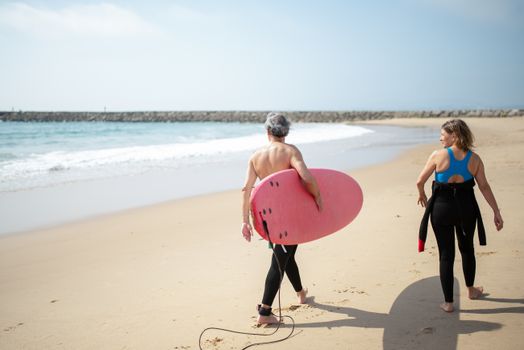
Two surfers walking along a sandy beach in Portugal, holding surfboards, ready for action. Photo: Kampus Production / Pexels
Portugal, with its extensive and varied coastline, is a surfer's paradise. From the powerful Atlantic swells of Nazaré to the consistent beach breaks of Ericeira and the mellow waves of the Algarve, there's a spot for every skill level and preference. However, the true magic of Portuguese surfing lies in its accessibility, which is almost entirely dependent on having your own transport. Public transportation, while present in major cities, simply doesn't reach the secluded coves, hidden point breaks, and remote stretches of coastline where some of the best waves are found. Imagine arriving at Lisbon Airport, board bag in tow, only to realize that the epic, uncrowded break you saw on Instagram is a two-hour drive down a winding coastal road with no bus service. This is where a reliable car rental in Portugal for surfing trips becomes not just a convenience, but an absolute necessity. A rental car offers unparalleled freedom and flexibility. The wind can shift, a swell can change direction, or a particular spot might just be too crowded. With your own vehicle, you can spontaneously chase the best conditions, driving north or south along the coast to find that perfect, uncrowded wave. This adaptability is crucial for surfers who want to maximize their time in the water and explore the diverse offerings of the Portuguese coast. Furthermore, many surf camps and accommodations, especially those offering a more authentic, less touristy experience, are often located outside major towns, making a car indispensable for daily commutes to the beach, grocery runs, and exploring local culture. Without a car, you're tethered to a limited radius, missing out on the true essence of a Portuguese surf adventure. It's about more than just getting from A to B; it's about embracing the journey, discovering hidden gems, and experiencing the full spectrum of Portugal's surf culture. The independence a rental car provides allows you to dictate your own schedule, from early morning dawn patrols to late evening sunset sessions, without worrying about bus timetables or expensive taxi fares. This freedom directly translates into more time in the water and a richer overall experience. Consider the benefits of having a secure place to store your wet wetsuit, your board, and all your gear as you explore charming coastal towns or stop for a traditional Portuguese meal. This level of convenience is simply unmatched by any other mode of transport when planning a dedicated surf trip. For those looking to combine their surf adventure with a touch of Portuguese casino entertainment, a car also provides the flexibility to visit establishments like Casino Estoril after a day on the waves, offering a different kind of thrill and a comfortable transition from beach to evening activities. Moreover, the ability to explore different regions without constraint means you can sample the distinct vibes and wave characteristics of areas like the wild west coast, the sun-drenched south, and the consistent central region, all within a single trip.

Choosing the Right Vehicle: Size, Roof Racks, and Insurance Essentials

Selecting the appropriate vehicle for your car rental Portugal for surfing trips is paramount to a successful and stress-free adventure. It's not just about getting from point A to point B; it's about comfortably and safely transporting your most valuable surf equipment. When considering vehicle size, think about how many surfboards you're bringing and how many people are in your group. For solo surfers or couples with one or two shortboards, a larger hatchback (like a VW Golf or Seat Leon) might suffice, often allowing boards to fit diagonally inside with the back seats folded down. However, for longer boards (7ft+), multiple boards, or groups, a station wagon (estate car) or a small SUV becomes almost essential. These provide ample interior space or, more commonly, come equipped with or can easily accommodate roof racks. Always confirm with the rental company if roof racks are available and what the associated cost is. Some companies might offer them as an optional extra, while others might require you to bring your own soft racks, which are a highly recommended investment for any traveling surfer. Beyond space, consider the type of roads you'll be driving on. While main highways are excellent, many paths to secluded surf spots can be unpaved, gravel, or narrow. A vehicle with slightly higher clearance can be beneficial, though a standard car is usually sufficient. Manual transmission is prevalent in Portugal, so if you're only comfortable with automatic, ensure you specify this during booking and be prepared for potentially higher rental costs and limited availability. Regarding insurance, this is a critical aspect often overlooked. Standard rental car insurance typically covers basic liability, but additional coverage for collision damage waiver (CDW) and theft protection (TP) is highly recommended. Pay close attention to the deductible (excess) amount, as this can be substantial. Many rental companies offer full insurance packages that reduce or eliminate the deductible, providing complete peace of mind. While these can seem costly upfront, they can save you thousands in case of an accident or damage. Also, verify if your personal car insurance or credit card provides any coverage for rental cars abroad, but always confirm the specifics for international rentals and ensure it's adequate for Portugal. Remember, damage to surfboards or gear inside or on the roof of the car is typically not covered by standard rental car insurance, so consider separate travel insurance that includes sports equipment. Always inspect the car thoroughly before driving off, noting any existing scratches or dents on the rental agreement to avoid being charged for pre-existing damage. Documenting the condition with photos or videos is a smart practice. Don't forget to inquire about fuel policies (full-to-full is usually the most economical) and whether tolls are included or require a separate transponder.

You may also find Rental Car Portugal useful.

Navigating Portugal's Roads: Tolls, Traffic, and Local Driving Tips

Driving in Portugal offers a fantastic way to explore its diverse landscapes and surf breaks, but it comes with its own set of rules and nuances that foreign drivers should be aware of. One of the most significant aspects to understand is the toll road system. Portugal has an extensive network of excellent highways (autoestradas) that are subject to tolls. There are two main types: traditional tolls with booths where you pay cash or card, and electronic tolls (SCUT roads) where there are no booths, and payment is processed automatically. For electronic tolls, the easiest solution is to rent a car with a transponder device (Via Verde) already installed. Most reputable rental companies offer this as an optional extra, and it's highly recommended. The transponder links to your credit card, and tolls are automatically charged, saving you from navigating complex payment systems at post offices or specific payment points, which can be a hassle, especially after a long day of surfing. Without a transponder, you'll need to manually pay tolls at designated points within a few days of use, or face hefty fines. Always ask your rental company about their toll payment solution and associated fees when picking up your car. Traffic in major cities like Lisbon and Porto can be dense, especially during peak hours. Expect narrow, winding streets in older city centers, which can be challenging for larger vehicles. Parking can also be difficult and expensive in urban areas, so consider parking on the outskirts and using public transport for city exploration. However, once you're on the open road heading to the coast, traffic generally eases, offering scenic drives. Be aware of speed limits: typically 50 km/h in urban areas, 90 km/h on rural roads, and 120 km/h on highways. Speed cameras are common, so adhere to limits. Roundabouts are prevalent and require understanding of right-of-way rules (generally, traffic already in the roundabout has priority). Portuguese drivers can sometimes be assertive, but generally, they are courteous. Always carry your driver's license (an International Driving Permit is recommended for non-EU citizens), vehicle registration, and insurance documents with you. While Portugal is known for its beautiful beaches and surf, it also offers a vibrant culture beyond the waves. Having a car allows you to easily visit historic sites, explore vineyards, or even experience the thrill of a local casino if you're feeling lucky. This blend of adventure and cultural immersion is what makes a Portuguese surf trip so unique and memorable. Be mindful of parking regulations near beaches; some popular surf spots have paid parking or restricted zones, especially during high season. Always look for signs to avoid fines. Lastly, familiarize yourself with common road signs, as some may differ from those in your home country.

Essential Tips for a Smooth Surf Car Rental Experience in Portugal

To ensure your car rental Portugal for surfing trips goes off without a hitch, here are some crucial tips: * **Book in Advance, Especially for Roof Racks:** Don't wait until the last minute, particularly if you need a specific vehicle type or roof racks. Peak surf seasons (spring and autumn) and summer tourist season see high demand. Booking weeks or even months ahead will secure better rates and availability. * **Understand Fuel Policies:** The 'full-to-full' policy is generally the most cost-effective. You pick up the car with a full tank and return it full. Avoid 'full-to-empty' options where you pay for a full tank upfront and return it empty, as the fuel price is often inflated by the rental company. * **Inspect the Vehicle Thoroughly:** Before driving away, meticulously check the car for any existing damage (scratches, dents, cracks in the windshield). Take photos or videos as evidence and ensure all damage is noted on your rental agreement. This prevents disputes when returning the car. * **GPS or Offline Maps are Your Friends:** While many rental cars offer built-in GPS, having a reliable offline map app on your smartphone (like Google Maps or Maps.me) is invaluable. Cell service can be spotty in remote coastal areas, and a pre-downloaded map will keep you on track to those secret surf spots. * **Carry Essential Documents:** Always have your physical driver's license (and International Driving Permit if applicable), passport, rental agreement, and insurance details readily accessible in the car. It's a legal requirement. * **Be Aware of Parking:** Parking near popular surf breaks can be challenging. Arrive early for the best spots. Some areas may have paid parking, so always look for signs and payment machines. Avoid parking illegally, as fines can be steep. * **Secure Your Surfboards:** Whether inside or on roof racks, ensure your boards are securely fastened. Invest in good quality tie-down straps. If using soft racks, make sure they are properly installed and cinched tight to prevent boards from shifting or flying off at speed. Damage to boards due to improper securing is your responsibility. * **Don't Leave Valuables Unattended:** Portugal is generally safe, but opportunistic theft can occur. Avoid leaving wetsuits, board bags, or other valuables visible in the car, especially when parked at isolated beaches or in urban areas. Lock everything away in the trunk or take it with you. * **Know Emergency Numbers:** The general emergency number in Portugal is 112. Keep it handy in case of an accident or breakdown. Your rental company will also provide a roadside assistance number. * **Consider a Smaller Car for City Driving:** If your itinerary includes significant time in Lisbon or Porto, a smaller car will make navigating narrow streets and finding parking much easier. You might even consider dropping off the car upon arrival in a major city and exploring on foot or with public transport.

Comparison

FeatureStation Wagon (Estate)Small SUVHatchback
Board Capacity (inside)2-3 longboards (seats folded)1-2 shortboards (seats folded)1 shortboard (seats folded)
Roof Rack CompatibilityExcellent (often factory rails)Good (check model)Varies (soft racks best)
Comfort for 4+ peopleExcellentGoodLimited
Fuel EfficiencyGoodModerateExcellent
Driving on Unpaved RoadsGoodExcellent (higher clearance)Fair

What Readers Say

"Our car rental Portugal for surfing trips from Lisbon was flawless. We got a station wagon, and it fit two 6'6" boards perfectly inside with the seats down. It gave us the freedom to chase waves from Ericeira to Peniche without any hassle."

Sarah J. · San Diego, CA

"I rented an SUV with roof racks and it was essential for my trip down the Algarve coast. Being able to easily store my longboard and explore different breaks every day made the experience so much richer. Highly recommend the Via Verde transponder!"

Mark T. · Maui, HI

"Thanks to our rental car, we scored epic, uncrowded waves in a hidden cove near Aljezur. We wouldn't have found it without the freedom to explore. It literally transformed our surf trip from good to legendary."

Chloe L. · Santa Cruz, CA

"The car itself was great, but the extra charge for the GPS felt a bit steep, especially since my phone worked fine. Still, having the flexibility to drive wherever the swell was best made it worth every penny for our car rental Portugal for surfing trips."

David R. · Jacksonville, FL

"We used our rental car not just for surfing but also to explore inland villages and historic sites. It was amazing to combine cultural immersion with chasing waves, making our Portugal trip an unforgettable adventure on and off the water."

Elena P. · Miami, FL

Frequently Asked Questions

What type of car rental is best for surfing trips in Portugal?

For surfing trips, a station wagon (estate car) or a small to mid-size SUV is generally best. These vehicles offer ample space for surfboards (either inside with seats folded or with roof racks) and all your gear, providing better comfort and utility than a standard compact car, especially if you're traveling with multiple boards or people.

Do I need roof racks for my car rental in Portugal?

If you're bringing boards longer than 6-7 feet or multiple boards, roof racks are highly recommended, if not essential. Confirm availability and cost with the rental company when booking. Some surfers bring their own soft racks, which are a versatile and often more affordable alternative.

How do tolls work with rental cars in Portugal?

Portugal has electronic toll roads. The easiest way to manage these is by opting for a Via Verde transponder from your rental company. This device automatically registers tolls, which are then charged to your credit card. Without it, you'll need to manually pay tolls at specific payment points, which can be inconvenient.

Is it expensive to rent a car for surfing in Portugal?

The cost varies depending on the season, vehicle type, rental duration, and insurance chosen. Booking in advance generally secures better rates. While initial costs might seem higher than public transport, the flexibility, convenience, and access to more remote surf spots often make it a highly cost-effective and valuable investment for a dedicated surf trip.

Should I get extra insurance for my rental car in Portugal?

Yes, it is highly advisable to get comprehensive insurance beyond the basic liability. Consider a Collision Damage Waiver (CDW) with zero or low excess/deductible, and theft protection. This provides peace of mind against damage, accidents, or theft, which can otherwise result in significant out-of-pocket expenses.

Who should consider a car rental for a surfing trip to Portugal?

Anyone planning a dedicated surfing trip to Portugal, especially those wanting to explore multiple surf spots, chase the best swells, or access less crowded, remote beaches, should absolutely consider a car rental. It's also ideal for groups, families, or individuals with a lot of gear.

Are Portuguese roads safe for driving?

Portuguese roads are generally safe and well-maintained, especially highways. However, be prepared for narrow, winding roads in rural and coastal areas, and potentially aggressive city driving. Always adhere to speed limits, be aware of roundabouts, and drive defensively, particularly in unfamiliar territory.

What's the best time of year for a surfing trip to Portugal with a rental car?

For experienced surfers, autumn and winter offer the biggest and most consistent swells. Spring and early summer are great for intermediate surfers with smaller, more manageable waves. A rental car makes any season viable, allowing you to find suitable conditions regardless of the time of year.

Don't let logistics limit your Portuguese surf dreams. Secure your car rental Portugal for surfing trips today and unlock the ultimate freedom to explore legendary breaks, discover hidden gems, and create unforgettable memories on the waves and beyond. Your perfect surf adventure awaits!

Topics: Car rental Portugal for surfing tripsPortugal surf car hiresurf trip car rental EuropePortugal surfboard rentaldriving in Portugal surf
Leo List
Brampton weed
Adultwork