Different Types of Casino Games Explained
June 17, 2026 16 min read 3,196 words
Dive into the diverse universe of casino entertainment and understand how each game offers a unique thrill and strategy.
Explore Casino Games Now
The Allure of Slot Machines: A Deep Dive into Reel-Spinning Action
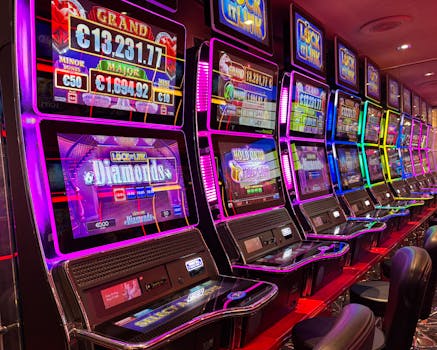 Photo: Vanessa Valkhof / Pexels
When you step into any casino, whether physical or online, the first thing that often catches your eye (or ear) are the slot machines. These vibrant, noisy, and perpetually engaging devices are, without a doubt, the most popular and numerous games available. Their appeal lies in their simplicity, the potential for massive payouts with a small wager, and the sheer variety of themes and features they offer. But what exactly are the different types of slot machines, and how do they work?
At their core, all slot machines operate on a Random Number Generator (RNG). This sophisticated algorithm ensures that every spin is completely independent and unpredictable, guaranteeing fairness and randomness in outcomes. The RNG constantly cycles through millions of numbers per second, and the moment you hit the 'spin' button, it locks in a set of numbers that correspond to the symbols displayed on the reels. There's no 'hot' or 'cold' machine; every spin is a fresh, unbiased event.
Historically, slots began as simple mechanical devices with three reels and a single payline, featuring classic symbols like fruits, bars, and sevens. Today, the landscape is vastly different. We now have **Video Slots**, which are the most common type. These feature five or more reels, often with intricate animations, immersive soundscapes, and a multitude of paylines (sometimes hundreds or even thousands) or 'ways to win'. Video slots often incorporate advanced bonus features like free spins rounds, wild symbols, scatter symbols, cascading reels, and interactive mini-games that add layers of excitement and potential for bigger wins. The themes are endless, ranging from ancient civilizations and mythical creatures to popular culture and futuristic adventures, ensuring there's a game to suit every taste.
Another significant category is **Progressive Jackpot Slots**. These are linked across multiple machines, or even multiple casinos, forming a collective jackpot that grows with every bet placed by players across the network. A small percentage of each wager contributes to the progressive jackpot, which can reach life-changing sums, often millions of dollars. The thrill of chasing such a colossal prize is a major draw. However, it's important to note that to be eligible for the progressive jackpot, players usually need to place the maximum bet. Examples include Mega Moolah and Major Millions, renowned for their record-breaking payouts.
Then there are **Classic Slots** or '3-Reel Slots', which emulate the original mechanical machines. These are simpler, often with fewer paylines and more straightforward gameplay, appealing to players who prefer a traditional, nostalgic experience without complex bonus rounds. They focus purely on the spinning reels and matching symbols.
Finally, we have **Megaways Slots**, a relatively new innovation that has revolutionized the slot world. Developed by Big Time Gaming, Megaways engines dynamically change the number of symbols that appear on each reel with every spin, leading to a varying number of ways to win on each spin, sometimes reaching over 100,000! This dynamic gameplay adds an extra layer of unpredictability and excitement. Understanding the mechanics of these diverse slot types is the first step in appreciating the vast world of casino games and can help you make an informed choice for your next spin. Delving into the specific Return to Player (RTP) percentage for each slot can also be a valuable strategy, as it indicates the theoretical percentage of wagers a game will return to players over time. Many online
gambling sites provide this information directly within the game's description or rules.
Table Games: Where Strategy Meets Chance
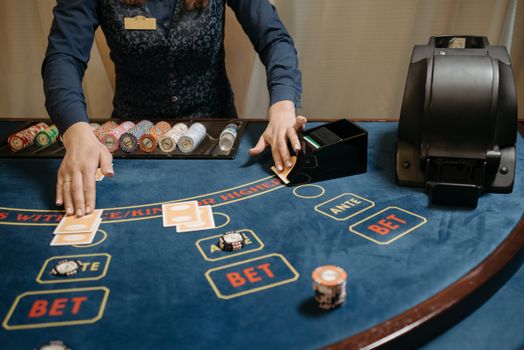 Photo: Pavel Danilyuk / Pexels
Table games represent the traditional heart of any casino, offering a sophisticated blend of strategy, skill, and social interaction, alongside the inevitable element of chance. Unlike the solitary nature of slot machines, table games often involve multiple players and a dealer, creating a dynamic and engaging atmosphere. Understanding the nuances of these games is crucial for anyone looking to move beyond the spinning reels and engage in a more interactive gambling experience.
**Blackjack**, often called '21', is arguably the most popular card game in casinos worldwide. The objective is simple: get a hand value as close to 21 as possible without exceeding it, and beat the dealer's hand. What makes Blackjack so compelling is the element of strategy. Players make decisions like 'hit' (take another card), 'stand' (keep current cards), 'double down' (double bet and take one more card), or 'split' (separate two identical cards into two hands). Mastering basic strategy – a mathematically derived approach that tells you the optimal move for every possible hand – can significantly reduce the house edge, making it one of the most player-favorable games in the casino. The house edge in blackjack, when played with perfect basic strategy, can be as low as 0.5%, making it an attractive option for strategic players.
**Roulette** is a quintessential casino game of pure chance and elegance. Players place bets on where a small ball will land on a spinning wheel. The wheel is divided into numbered pockets (1-36, plus 0 and often 00). Bets can be placed on individual numbers, groups of numbers, colors (red or black), odd or even, and high or low numbers. The two main variations are European Roulette (single 0) and American Roulette (single 0 and double 00). The single 0 in European Roulette gives it a lower house edge (2.7%) compared to American Roulette (5.26%), making it the preferred choice for informed players. The thrill comes from the anticipation as the wheel spins and the ball bounces, culminating in the dramatic moment it settles into a pocket.
**Poker**, specifically casino poker variants like **Casino Hold'em** or **Three Card Poker**, differs from player-versus-player poker. In these games, players compete against the house (the dealer), not against each other. The goal is to make the best possible poker hand according to specific game rules, hoping it's better than the dealer's hand. While the dealer still plays a role, the strategic depth comes from deciding whether to bet, fold, or raise based on your hand and the dealer's visible cards. These games offer a taste of poker strategy without the complexity of reading other players.
**Baccarat** is a card game known for its simplicity and association with high rollers, though it's accessible to all. Players bet on one of three outcomes: the 'Player' hand wins, the 'Banker' hand wins, or a 'Tie'. The objective is for the chosen hand to have a total value closest to nine. Cards 2-9 are worth their face value, 10s and face cards are worth zero, and Aces are worth one. If a hand's value exceeds nine, only the second digit counts (e.g., 15 becomes 5). Baccarat has a very low house edge on the Banker bet (around 1.06%), making it another favorable game for players seeking good odds. Its straightforward betting structure makes it easy to pick up, while its elegant reputation adds to its allure. Each of these table games offers a unique rhythm and a different level of strategic engagement, catering to a wide spectrum of casino enthusiasts.
Video Poker and Specialty Games: Diverse Paths to Casino Entertainment
 Photo: Pixabay / Pexels
Beyond the flashing lights of slots and the communal tables of card games, casinos offer a fascinating array of other options that cater to different preferences and playing styles. These include Video Poker, a hybrid game that combines elements of slots and traditional poker, and a category often referred to as Specialty Games, which encompass everything from lottery-style games to unique electronic offerings. Exploring these diverse paths can lead to discovering new favorites and expanding your casino experience.
**Video Poker** is a game that truly bridges the gap between slots and strategic card play. It's played on a console similar to a slot machine, but instead of spinning reels, you're dealt a five-card poker hand. Your objective is to make the best possible poker hand by deciding which cards to hold and which to discard, with new cards drawn to replace the discarded ones. The payout depends on the strength of your final hand, with higher-ranking hands (like a Royal Flush) yielding significant returns. What makes Video Poker so appealing is its transparency and the potential for a very low house edge, often lower than many slot machines, especially for certain variants like Jacks or Better or Deuces Wild, when played with optimal strategy. The key to success in video poker lies in learning the optimal strategy for the specific game you're playing, as each variant has its own paytable and strategic nuances. Unlike slots, where outcomes are purely random, your decisions in video poker directly impact your chances of winning, adding a layer of skill and control that many players appreciate. This strategic depth is what differentiates it significantly from the purely luck-based nature of most slot machines, making it a favorite for players who enjoy a thinking game. Many players study strategy charts to ensure they make the best decisions for every hand, aiming to maximize their returns and minimize the house's advantage over the long term. This focus on skill and decision-making is a primary reason why video poker consistently attracts a dedicated following in both land-based and online
gambling environments.
**Specialty Games** is a broad category that lumps together various games that don't fit neatly into the other classifications. These often include games of chance with simple rules and quick outcomes. **Keno** is a lottery-style game where players choose numbers from a pool (typically 1-80) and hope that a certain number of their chosen numbers are drawn. The more matches, the higher the payout. It's a game of pure luck, offering large potential payouts for small wagers, much like a lottery ticket. Another popular specialty game is **Scratch Cards** (or Scratch-offs), which are digital versions of their physical counterparts, offering instant win opportunities by revealing hidden symbols. **Bingo**, especially online bingo, also falls into this category, with players matching numbers on their cards to numbers drawn by the game. These games are generally less strategy-intensive and are perfect for players looking for casual, immediate gratification. Additionally, some casinos offer unique electronic table games or novel variations of traditional games that fall under this umbrella, constantly innovating to provide fresh entertainment. The beauty of specialty games lies in their diversity and their ability to provide quick, engaging bursts of entertainment without requiring extensive strategic knowledge.
Navigating the Casino Floor: Tips for Choosing Your Game
With such a wide array of options, deciding which casino game to play can feel overwhelming. However, by considering a few key factors, you can navigate the casino floor (or online lobby) with confidence and choose games that best suit your preferences, budget, and desired level of engagement. Making an informed choice enhances your overall experience and helps in responsible gaming.
**Understand Your Preference for Skill vs. Luck:** Do you enjoy games where your decisions influence the outcome, or do you prefer the thrill of pure chance? If you lean towards skill, games like Blackjack, Video Poker, and certain poker variants are excellent choices, as strategic play can significantly impact your long-term results. If you're looking for pure entertainment with minimal decision-making, slots, roulette, keno, and scratch cards are more suited to your taste. There's no right or wrong preference; it's about what you find most enjoyable.
**Consider the House Edge (RTP):** Every casino game has a built-in advantage for the house, known as the house edge. This is the theoretical percentage of each bet that the casino expects to keep over the long run. The inverse is the Return to Player (RTP) percentage. Games with a lower house edge (higher RTP) generally offer better long-term value to the player. For example, Blackjack (with basic strategy) and certain Video Poker variants often have some of the lowest house edges, while Keno and some progressive slots tend to have higher house edges. While a lower house edge doesn't guarantee a win on any single session, it improves your odds over extended play.
**Budget and Volatility:** Your budget should influence your game choice. High-volatility games (common in many slots) offer the chance for large, infrequent wins, but also longer periods of losses. Low-volatility games offer more frequent, smaller wins, helping to extend your playing time. If you have a smaller budget, lower-volatility games or games with a lower minimum bet might be more appropriate. Always set a budget before you start playing and stick to it, regardless of whether you're winning or losing. Responsible
gambling is paramount.
**Social Interaction:** Do you enjoy the social aspect of gambling? Table games like Blackjack, Roulette, and Craps offer opportunities to interact with other players and the dealer, creating a more communal experience. If you prefer a more solitary experience, slot machines and video poker terminals are ideal. Online casinos also offer live dealer games that bridge this gap, providing social interaction from the comfort of your home.
**Practice and Free Play:** Many online casinos offer free-play versions of their games. This is an invaluable tool for new players to learn the rules, practice strategies, and get a feel for the game without risking real money. Take advantage of these opportunities to build confidence before you commit real funds. By considering these factors, you can make informed decisions and enhance your enjoyment of the diverse world of casino games.
