Dresden Sex Laws: What You Need to Know for Your Safety
Dresden sex laws

Dresden Sex Laws: What You Need to Know for Your Safety

Understand the complex legal landscape surrounding sex work in Dresden, Germany, to make informed and safe decisions.

Explore the Laws

Key Takeaways

  • ✓ Prostitution is legal and regulated in Germany, including Dresden, under specific conditions.
  • ✓ The Prostitution Protection Act (ProstSchG) governs sex work, aiming to protect sex workers.
  • ✓ Strict health checks and registration are mandatory for sex workers.
  • ✓ Operating brothels and similar establishments requires specific permits and adherence to regulations.

How It Works

1
Understand the Legal Framework

Familiarize yourself with Germany's Prostitution Protection Act (ProstSchG), which legalizes and regulates sex work. This act outlines rights and obligations for both sex workers and clients.

2
Identify Licensed Establishments

Seek out officially licensed and regulated brothels or establishments. These venues adhere to safety, health, and legal standards, providing a safer environment for all parties involved.

3
Respect Worker's Rights

Be aware that sex workers have rights, including the right to refuse service. Consent is paramount, and any form of coercion is illegal and punishable.

4
Be Aware of Associated Risks

While legal, be mindful of potential scams, exploitation, and health risks. Always prioritize personal safety and make informed decisions, especially when combining activities like <a href="[INTERNAL_LINK:gambling]">gambling</a> with sex tourism.

Navigating the German Legal Landscape of Sex Work in Dresden
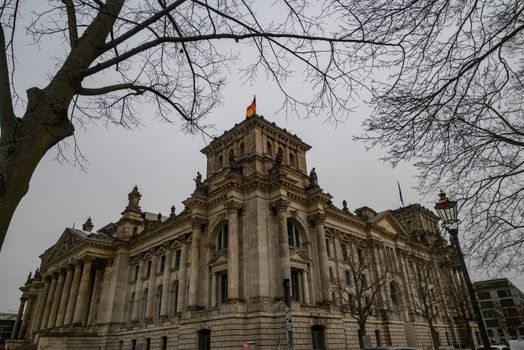
View of the iconic Reichstag building in Berlin, Germany, framed by bare winter trees. Photo: Osviel Rodriguez Valdés / Pexels
Germany, unlike many other nations, has a unique and complex approach to sex work, rooted in a desire to regulate and protect rather than simply prohibit. The Prostitution Protection Act (ProstSchG), enacted in 2017, is the cornerstone of this legal framework, shaping the environment for sex workers, clients, and operators of sexual establishments across the country, including the historic city of Dresden. Understanding this act is paramount for anyone considering engaging with sex work, whether as a client or out of general curiosity about the legalities. The ProstSchG aims to improve the legal and social situation of sex workers, reduce exploitation, and ensure safer working conditions. It mandates that sex workers must register with local authorities, undergo regular health counseling, and obtain a health certificate. This registration process is designed to provide workers with official status, making them eligible for social security benefits and better protecting them from exploitation. For clients, this means that engaging with registered sex workers within licensed establishments generally operates within a clear legal framework. However, it's not a free-for-all. The law also places stringent requirements on brothel operators, who must obtain permits, ensure minimum standards of hygiene and safety, and actively prevent human trafficking and exploitation. This regulatory oversight is crucial in distinguishing legal, safe environments from illicit operations. In Dresden, these national laws are implemented by local authorities, leading to specific regional interpretations and enforcement priorities. While the overarching principles remain consistent, the nuances of local regulations can sometimes vary. For instance, specific zoning laws might dictate where sex work establishments can operate, or local ordinances might impose additional requirements on businesses. It's important to recognize that while the law aims to protect, it also seeks to control and monitor. The registration requirement for sex workers, for example, has been a point of contention, with some arguing it can deter individuals from seeking legal protection due to privacy concerns or stigma. Nevertheless, the intent is to create a transparent and regulated industry. For those traveling to Dresden, particularly visitors from the US where prostitution laws are vastly different (often criminalized or highly restricted), this legal framework can be surprising. It underscores the importance of researching and understanding local laws to avoid inadvertently breaking regulations or placing oneself in a vulnerable position. The legal distinction between street prostitution and work in licensed establishments is also critical; while the former is often tolerated in designated areas, it lacks the same regulatory oversight and protection offered by the ProstSchG in licensed venues. Therefore, for safety and legality, engaging with services within officially recognized and regulated establishments is highly advisable. This comprehensive legal approach reflects Germany's pragmatic stance on an age-old profession, attempting to balance individual freedoms with public health and safety concerns. It's a system designed to bring a traditionally hidden industry into the light, with all its inherent complexities and challenges. A deeper dive into the specifics of the ProstSchG can offer even more clarity on what is permissible and what constitutes a violation, ensuring that one can navigate the landscape of sex work in Dresden with full awareness and responsibility. Furthermore, understanding these regulations can help distinguish legitimate services from those operating outside the law, which often pose greater risks. Awareness of the legal framework is not just about avoiding penalties, but also about making ethical and safe choices. Understanding the intersection of legal frameworks, particularly in cities that attract international visitors, is crucial for responsible engagement.

The Prostitution Protection Act (ProstSchG) and its Impact on Dresden

The Prostitution Protection Act (ProstSchG), implemented in Germany in 2017, marked a significant shift in how sex work is regulated, aiming to protect sex workers and combat human trafficking. In Dresden, as in other German cities, this act has had a profound impact on the industry, introducing a layer of formalization and oversight that was previously absent or less stringent. At its core, ProstSchG mandates that all individuals engaging in sex work must register with local authorities. This registration process involves an initial interview, where sex workers are informed about their rights and obligations, health risks, and available support services. They are also required to attend regular health consultations, ensuring public health standards are maintained and offering a channel for health advice and preventative care. This registration is controversial, with some critics arguing it can lead to stigmatization and create barriers for vulnerable individuals. However, proponents argue it is essential for distinguishing voluntary sex work from forced prostitution and for providing a legal basis for workers' rights. For clients, this means that engaging with registered sex workers in licensed establishments aligns with the legal intent of the act. Beyond individual workers, the ProstSchG also places strict requirements on the operators of sex work establishments, such as brothels, Laufhäuser (multi-story brothels), and sexual services businesses. These operators must obtain specific permits, adhere to strict hygiene and safety standards, and implement measures to prevent human trafficking and exploitation. This includes ensuring that workers have individual rooms, access to emergency exits, and mechanisms for reporting coercion or abuse. The act specifically prohibits certain practices, such as flat-rate services (where a client pays a single fee for unlimited services), and requires clear pricing structures. The goal is to professionalize the industry, making it safer and more transparent. In Dresden, this has led to a consolidation of sex work into regulated zones and establishments, making it easier for authorities to monitor and enforce the law. While street prostitution is not explicitly illegal, it is often subject to local ordinances and can be less regulated, making licensed venues the safer and legally clearer option. One of the most significant impacts of the ProstSchG in Dresden, and Germany generally, is the enhanced focus on combating human trafficking. The act provides tools for authorities to investigate and prosecute those involved in exploiting individuals. By requiring registration and setting standards for establishments, it aims to create an environment where exploitation is harder to conceal. However, the effectiveness of this aspect of the law is still a subject of ongoing debate and evaluation. Critics argue that despite the law, human trafficking persists, and the registration process itself might push some vulnerable individuals further underground. Nevertheless, the intent is clear: to safeguard individuals from exploitation while recognizing the legality of consensual sex work. For foreign visitors, particularly from countries with differing legal stances on prostitution, understanding these regulations is crucial. The German system is designed to be a regulated market, not an unregulated free-for-all. Therefore, engaging with sex services in Dresden requires an awareness of these legal boundaries to ensure personal safety and legal compliance. The law represents a continuous effort to navigate the complex social, ethical, and legal dimensions of sex work, striving for a balance between individual autonomy and public protection. This framework seeks to ensure that all interactions occur under conditions of consent, safety, and legality, a critical consideration for anyone visiting or residing in Dresden. The regulatory environment also plays a role in how other industries, such as gambling establishments, interact with and are perceived in close proximity to these services, often requiring careful zoning and licensing considerations.

For more options, check out joyclubde.com.

Risks and Safety Considerations for Clients and Workers in Dresden

While Germany's ProstSchG aims to create a safer and more regulated environment for sex work, inherent risks persist for both clients and workers in Dresden, as in any city. Understanding these risks and implementing robust safety considerations is paramount for anyone interacting with the industry. For clients, the primary risks can range from financial exploitation and scams to health concerns and, in rare but serious cases, involvement in illegal activities such as human trafficking, even unknowingly. The legality of sex work in Germany does not automatically guarantee that all operations are legitimate or safe. Unlicensed establishments or individuals operating outside the regulatory framework pose significant dangers. These could include inflated prices, coercive practices, or environments that do not adhere to basic health and safety standards. Therefore, choosing officially licensed and reputable establishments is the first and most critical safety measure. These venues are subject to regular inspections and are more likely to comply with hygiene, security, and legal requirements. Another crucial aspect for clients is health. While registered sex workers are required to undergo regular health counseling, this does not eliminate the risk of sexually transmitted infections (STIs). Practicing safe sex, including the consistent and correct use of condoms, remains absolutely essential. Clients should also be wary of situations that feel uncomfortable or coercive, trusting their instincts and being prepared to leave if a situation seems unsafe. Alcohol and drug consumption can impair judgment, increasing vulnerability, so maintaining sobriety is advisable. Furthermore, clients should be aware of local laws regarding public indecency or solicitation outside of designated areas, as violations can lead to fines or legal trouble. For sex workers, the ProstSchG provides some protections, but they still face significant risks. These include violence, exploitation, and the stigma associated with their profession. Even within licensed establishments, ensuring personal safety requires vigilance. Many sex workers adopt strategies such as working in pairs, having personal alarms, or maintaining contact with trusted friends or support networks. The law's intent to protect against human trafficking is strong, but the reality is that vulnerable individuals can still be exploited. Therefore, support organizations for sex workers play a vital role in providing resources, legal advice, and a safe space for reporting abuse. The ongoing debate about the effectiveness of the ProstSchG often centers on whether it truly empowers workers or if it creates new vulnerabilities through registration and surveillance. When considering the broader context, particularly for tourists, the intersection of sex work with other activities like gambling can introduce additional complexities. Individuals under the influence of alcohol or engaging in high-risk gambling behaviors might be more susceptible to making impulsive or unsafe decisions regarding sex work. Therefore, exercising sound judgment and prioritizing personal safety, regardless of the context, is always recommended. Understanding the legal landscape is the first step, but personal responsibility and awareness of potential dangers are equally important for a safe and informed experience in Dresden. This includes knowing your limits, being aware of your surroundings, and having a clear exit strategy if a situation feels compromised. The goal is to navigate the regulated environment of sex work responsibly and safely, ensuring that all interactions are consensual, respectful, and free from harm.

Common Misconceptions and Best Practices in Dresden's Sex Work Sector

Navigating the sex work sector in Dresden, despite its legal regulation, is often clouded by common misconceptions that can lead to misunderstandings or even risky situations. Dispelling these myths and adopting best practices is crucial for anyone interacting with this industry. One prevalent misconception is that because prostitution is legal in Germany, there are no rules or regulations, implying a free-for-all environment. This is far from the truth. As discussed, the ProstSchG imposes strict guidelines on both workers and establishments. Ignoring these regulations can lead to legal issues for clients and expose workers to exploitation. Another common myth is that all sex workers are victims of human trafficking. While human trafficking is a serious global issue that unfortunately intersects with the sex industry, the ProstSchG aims to distinguish between forced and consensual sex work. Many individuals choose sex work voluntarily and operate within the legal framework, exercising their agency and rights. Assuming all workers are exploited not only discredits those who choose the profession but also overlooks the complexities of the industry. For clients, a significant misconception can be that payment guarantees any and all services, regardless of the worker's consent. This is absolutely false and illegal. Consent is paramount, and sex workers have the right to refuse any service. Coercion or non-consensual acts are crimes, regardless of payment. Clients must always respect the boundaries and decisions of the sex worker. Additionally, some might believe that unregulated street prostitution offers a 'cheaper' or 'more authentic' experience. In reality, street prostitution often carries higher risks, less protection, and operates outside the legal and health oversight of licensed establishments. It can expose both clients and workers to greater dangers, including theft, violence, and lack of health precautions. **Best Practices for Clients:** * **Choose Licensed Establishments:** Always opt for officially licensed brothels or sexual service businesses. These are regulated and subject to inspections, offering a higher degree of safety and legality. * **Communicate Clearly:** Discuss services and prices upfront to avoid misunderstandings. Ensure both parties are clear on expectations. * **Prioritize Safe Sex:** Always use condoms to protect against STIs. This is a non-negotiable safety measure. * **Respect Boundaries:** Understand that consent is continuous. Sex workers have the right to refuse any service. Respect their decisions. * **Stay Sober:** Avoid excessive alcohol or drug consumption, which can impair judgment and increase vulnerability. * **Be Aware of Your Surroundings:** Pay attention to the environment and trust your instincts. If a situation feels unsafe, leave immediately. * **Understand Local Laws:** Familiarize yourself with Dresden's specific regulations regarding sex work to avoid accidental infractions. By dispelling these common misconceptions and adhering to best practices, individuals can navigate the sex work sector in Dresden more safely, ethically, and legally, contributing to an environment of respect and compliance within the regulated framework.

Comparison

FeatureLicensed EstablishmentUnlicensed OperationsStreet Prostitution
LegalityLegal and RegulatedIllegal/UnregulatedLegal (with local restrictions)
Worker ProtectionHigh (ProstSchG)Low/NoneLow/None
Health & Safety StandardsStrictly enforcedPoor/Non-existentPoor/Non-existent
Risk of ExploitationLowHighHigh
Transparency (Pricing/Services)
Reporting Mechanisms

What Readers Say

"Understanding Dresden Sex Laws was crucial for my recent trip. This guide clarified all my concerns, especially regarding the difference between licensed venues and informal arrangements. It helped me make informed and safe choices."

Michael S. · New York, NY

"Before reading this, I had many misconceptions about German sex laws. The article on Dresden Sex Laws: What You Need to Know was incredibly detailed and reassuring, providing practical advice for navigating the scene responsibly."

Sarah L. · Austin, TX

"This resource on Dresden Sex Laws saved me from potential trouble. I followed the advice to only use licensed establishments, and my experience was entirely professional and safe, exactly as described."

David R. · Chicago, IL

"While very informative about Dresden Sex Laws, I still felt some aspects of local enforcement could have been elaborated more. However, the overall guidance on safety and legal compliance was excellent and highly useful."

Emily P. · Miami, FL

"As someone who travels frequently, knowing the specific Dresden Sex Laws: What You Need to Know was invaluable. It allowed me to respect local regulations and prioritize my safety without any guesswork."

Robert K. · Los Angeles, CA

Frequently Asked Questions

Is prostitution legal in Dresden, Germany?

Yes, prostitution is legal and regulated in Germany, including Dresden, under the Prostitution Protection Act (ProstSchG) of 2017. However, it operates under strict conditions, requiring registration for sex workers and permits for establishments, aiming to ensure safety and prevent exploitation.

What are the risks for clients engaging with sex work in Dresden?

Risks for clients can include financial scams, health concerns (STIs), and unknowingly engaging with illegal operations. To minimize risks, it's crucial to only use licensed establishments, practice safe sex, and be aware of your surroundings.

How can I identify a legal and safe sex work establishment in Dresden?

Legal and safe establishments are usually clearly marked, operate openly, and adhere to local and national regulations. They often have transparent pricing, clear rules, and ensure worker safety measures. Avoid establishments that seem clandestine or offer suspiciously low prices.

Are there specific zones for sex work in Dresden?

While not always strictly zoned like some cities, Dresden, like other German cities, often has designated areas or districts where licensed sex work establishments are concentrated. Local ordinances might also restrict where street prostitution can occur.

How does the ProstSchG protect sex workers in Dresden?

The ProstSchG protects sex workers by requiring registration, offering health counseling, and mandating safe working conditions in licensed establishments. It also aims to combat human trafficking and provides legal avenues for workers to report abuse or exploitation.

What if I encounter an illegal or unsafe situation related to sex work in Dresden?

If you encounter an illegal or unsafe situation, prioritize your safety and disengage immediately. You can report suspicious activities or concerns to local police (emergency number 110) or to organizations that support sex workers and combat human trafficking.

Does engaging in sex work affect gambling activities in Dresden?

While sex work and gambling are distinct legal activities in Dresden, combining them can increase personal risks, especially if judgment is impaired by alcohol or significant financial losses. Always maintain awareness and responsible decision-making for both activities.

What are the future trends for sex work regulation in Germany?

The future of sex work regulation in Germany may see ongoing debates about the effectiveness of the ProstSchG, particularly regarding worker registration and the prevention of human trafficking. There's a continuous effort to refine laws to better protect workers while maintaining public order and safety.

Understanding Dresden Sex Laws: What You Need to Know is not just about compliance; it's about making informed, safe, and ethical choices. By familiarizing yourself with the legal framework and adopting best practices, you can navigate Dresden responsibly and ensure your personal safety and well-being. Empower yourself with knowledge.

Topics: Dresden sex lawsGerman prostitution lawssex work regulations Germanygambling and sex tourismlegal framework sex work
Leo List
Brampton weed
Adultwork