Gambling Addiction Help US: Your Path to Recovery
gambling addiction help US

Gambling Addiction Help US: Your Path to Recovery

Discover effective strategies and vital resources for overcoming gambling addiction and reclaiming your life in the United States.

Start Your Journey

Key Takeaways

  • ✓ An estimated 2 million adults in the US (1% of the population) meet the criteria for pathological gambling.
  • ✓ Problem gambling is a recognized mental health disorder by the American Psychiatric Association.
  • ✓ Many states offer free and confidential helplines and treatment programs.
  • ✓ Recovery is possible with the right support and commitment.

How It Works

1
Recognize the Signs

Identify if gambling has become a problem, affecting finances, relationships, or mental well-being. Honesty with yourself is the crucial first step.

2
Reach Out for Support

Contact national or state-specific helplines, support groups, or mental health professionals. Confidential help is readily available to guide you.

3
Explore Treatment Options

Consider various treatment paths like therapy (CBT), inpatient/outpatient programs, or self-exclusion options. A personalized plan increases success rates.

4
Commit to Long-Term Recovery

Engage in ongoing support, develop coping mechanisms, and rebuild healthy habits. Recovery is a journey, not a destination, requiring continuous effort.

Understanding Gambling Addiction and Its Impact

Serious Asian man with poker face holding cards, indoors. Photo: cottonbro studio / Pexels
Gambling addiction, clinically known as 'gambling disorder,' is a serious behavioral addiction characterized by a persistent and recurrent problematic gambling behavior leading to clinically significant impairment or distress. It's not merely a bad habit or a moral failing; it's a complex mental health condition that can hijack a person's brain, much like substance abuse. In the US, the prevalence of problem gambling is significant, affecting millions of individuals and their families. The impact extends far beyond financial losses, permeating every aspect of a person's life, from their relationships and career to their physical and mental health. Financially, the consequences can be devastating. Individuals may deplete savings, incur massive debts, lose homes, and even resort to illegal activities to fund their gambling. The constant pursuit of the 'big win' often leads to a cycle of chasing losses, where more money is gambled in a desperate attempt to recover what has been lost, only deepening the financial hole. This financial strain places immense pressure on families, often leading to bankruptcy, divorce, and instability. Relationally, trust erodes quickly. Lies, secrecy, and broken promises become common, alienating spouses, children, and friends. The gambler may become withdrawn, irritable, or hostile, further isolating themselves from their support network. The emotional toll on loved ones can be immense, as they grapple with feelings of betrayal, anger, fear, and helplessness. Children, in particular, can suffer long-term psychological effects from growing up in an environment overshadowed by gambling addiction. Professionally, job performance often declines due to preoccupation with gambling, missed work, and financial stress. This can lead to job loss, further exacerbating financial problems and feelings of shame. Health-wise, chronic stress, anxiety, depression, and sleep disturbances are common. Some individuals may even experience suicidal ideation as they feel trapped by their addiction. It’s crucial to recognize that these impacts are not signs of weakness but symptoms of a serious disorder requiring professional intervention. Understanding the full scope of this issue is the first step toward seeking effective gambling addiction treatment and support.

Navigating Treatment Options for Problem Gambling in the US

A group of friends playing poker indoors, enjoying leisure time together with snacks and drinks. Photo: cottonbro studio / Pexels
For those seeking gambling addiction help in the US, a diverse range of treatment options is available, catering to different needs and severity levels. The most effective approach often involves a combination of strategies tailored to the individual. Understanding these options is key to making informed decisions about recovery. **Therapy and Counseling:** Cognitive Behavioral Therapy (CBT) is a cornerstone of gambling addiction treatment. CBT helps individuals identify and challenge distorted thoughts and behaviors associated with gambling, developing healthier coping mechanisms. Motivational Interviewing (MI) can also be effective in helping individuals recognize the problem and commit to change. Family therapy is often recommended to address the impact on loved ones and rebuild communication and trust. These therapies can be delivered individually or in group settings, providing a safe space to share experiences and learn from others. **Inpatient and Outpatient Programs:** For severe cases, inpatient residential treatment programs offer an immersive, structured environment away from gambling triggers. These programs provide intensive therapy, medical supervision, and a community of support. Outpatient programs, on the other hand, allow individuals to live at home while attending regular therapy sessions and support groups. This option is suitable for those with strong support systems and less severe addictions, or as a step-down from inpatient care. **Support Groups:** Groups like Gamblers Anonymous (GA) utilize a 12-step program similar to Alcoholics Anonymous, offering peer support and a spiritual framework for recovery. GA meetings are widely available across the US, providing a confidential and understanding environment where individuals can share their experiences and gain strength from others facing similar challenges. Gam-Anon is a parallel group for family members affected by someone else's gambling, offering vital support and guidance. **Medication:** While there are no specific medications approved solely for gambling addiction, certain medications can help manage co-occurring conditions like depression, anxiety, or ADHD, which often exacerbate gambling problems. Naltrexone, an opioid antagonist, has shown some promise in reducing gambling urges in some individuals, though it's typically used in conjunction with therapy. **Self-Exclusion Programs:** Many states offer self-exclusion programs, allowing individuals to voluntarily ban themselves from casinos, online gambling sites, or lottery play for a specified period or permanently. This is a powerful tool for creating external boundaries and reducing access to gambling opportunities. It's a proactive step that demonstrates a commitment to recovery and can provide a crucial barrier during moments of weakness. Choosing the right treatment path requires an honest assessment of one's situation and, ideally, consultation with a mental health professional specializing in addiction. The journey to recovery is unique for everyone, but these options provide a solid foundation for rebuilding a life free from gambling's grip.

Essential Resources and Hotlines for Gambling Addiction Help US
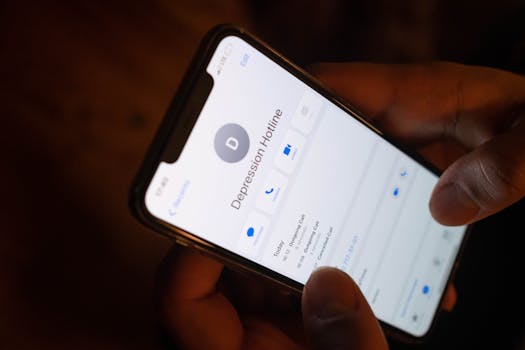
A close-up of a hand holding a smartphone displaying a depression hotline contact. Photo: Ron Lach / Pexels
Accessing the right resources is paramount when seeking gambling addiction help in the US. Fortunately, a robust network of national and state-specific organizations is dedicated to providing confidential support, information, and referrals. Knowing where to turn can make all the difference in initiating and sustaining recovery. **National Council on Problem Gambling (NCPG):** This is the leading national advocate for programs and services to assist problem gamblers and their families. The NCPG operates a confidential national helpline and live chat, connecting individuals to resources in their state. Their website is a treasure trove of information, including state-by-state resource lists, self-help tools, and educational materials. You can reach them at 1-800-522-4700 or visit their website at ncpgambling.org. This number is a critical first point of contact for many seeking immediate gambling support. **State-Specific Helplines and Programs:** Almost every state in the US has its own dedicated problem gambling council or agency. These state-level organizations often offer more localized resources, including free counseling services, prevention programs, and self-exclusion options specific to that state's gambling regulations. A simple online search for "[Your State] Problem Gambling" will typically lead you to these vital local services. For example, the California Council on Problem Gambling or the New York Council on Problem Gambling provide resources tailored to their respective populations. **Gamblers Anonymous (GA):** As mentioned, GA is a fellowship of men and women who share their experience, strength, and hope with each other that they may solve their common problem and help others to recover from a gambling problem. Their meetings are anonymous and free, offering a powerful peer-support network. Information on local meetings can be found on their website, gamblersanonymous.org. **Gam-Anon:** This organization is specifically for the family and friends of compulsive gamblers. It provides support and understanding for those impacted by a loved one's gambling addiction, helping them cope and heal. Their website, gam-anon.org, lists local meetings and resources. **Mental Health Professionals:** Seeking help from licensed therapists, psychologists, or psychiatrists who specialize in addiction can provide personalized treatment plans. These professionals can diagnose co-occurring mental health conditions and offer evidence-based therapies like CBT. Many states have directories of addiction specialists, and your primary care physician can also provide referrals. **Online Resources and Apps:** In addition to traditional support, numerous online forums, communities, and mobile applications are designed to support recovery. These can offer daily motivation, tracking tools, and immediate access to support from peers and professionals, especially for those in remote areas or with limited mobility. Always ensure any online resource is reputable and privacy-focused. Leveraging these resources provides a comprehensive approach to tackling gambling addiction, offering a blend of immediate crisis support, long-term therapeutic intervention, and invaluable peer-based encouragement.

Strategies for Long-Term Recovery and Preventing Relapse

A young man in focus enjoys a game of poker indoors with drinks and poker chips on a table. Photo: cottonbro studio / Pexels
Achieving initial sobriety from gambling is a significant accomplishment, but the journey to long-term recovery requires ongoing effort and a robust set of strategies to prevent relapse. Relapse is a common part of many addiction recovery processes, but it doesn't signify failure; rather, it's an opportunity to learn and strengthen one's resolve. Here are crucial strategies for maintaining a gambling-free life: * **Develop Healthy Coping Mechanisms:** Identify triggers for gambling (stress, boredom, loneliness, financial problems) and replace gambling with constructive activities. This could include hobbies, exercise, meditation, spending time with supportive friends, or learning new skills. Building a diverse repertoire of healthy coping strategies is essential. * **Establish Financial Boundaries:** Work with a trusted financial advisor, therapist, or family member to manage finances. This might involve setting up direct deposit to a spouse's account, giving control of finances to a trusted individual, freezing credit cards, or setting strict budgets. Self-exclusion from casinos and online gambling sites is also a powerful financial boundary. * **Build a Strong Support Network:** Regularly attend Gamblers Anonymous meetings or other support groups. Engage with a sponsor who can offer guidance and accountability. Surround yourself with people who support your recovery and understand the challenges you face. Isolate from individuals or environments that encourage gambling. * **Continue Therapy and Counseling:** Long-term therapy, even after initial treatment, can be invaluable. It provides a space to process emotions, address underlying issues, and refine coping strategies. A therapist can help identify early warning signs of relapse and develop a personalized prevention plan. * **Practice Mindfulness and Stress Reduction:** Techniques like mindfulness, yoga, and deep breathing can help manage stress and cravings. By being present and aware, individuals can better recognize and respond to urges before they escalate into problematic behavior. * **Avoid High-Risk Situations:** Identify places, people, or events that trigger gambling urges and actively avoid them. This might mean changing daily routines, finding new social circles, or even relocating if necessary. Proactive avoidance is a key component of relapse prevention. * **Educate Yourself and Others:** Understanding the nature of gambling addiction, its psychological mechanisms, and the recovery process empowers individuals to make informed choices. Educating family and friends can also help them provide more effective support. * **Celebrate Milestones:** Acknowledge and celebrate progress, no matter how small. Recognizing achievements reinforces positive behavior and provides motivation to continue the recovery journey. This could be a week, a month, or a year without gambling. Long-term recovery is an ongoing process of self-care, vigilance, and continuous growth. By implementing these strategies, individuals can build a resilient foundation for a life free from the grip of gambling addiction.

Comparison

FeatureGA/Gam-AnonProfessional TherapyInpatient TreatmentSelf-Exclusion
CostFreeVaries (insurance may cover)High (insurance often covers part)Free
ConfidentialityHighHighHighHigh
Peer Support
Personalized Treatment Plan
Accessibility (US)WidespreadWidespreadLimitedState-dependent
Medical Supervision✗ (unless psychiatrist)
Immediate Crisis SupportVia membersSometimes

What Readers Say

"Finding gambling addiction help in the US felt overwhelming, but the NCPG helpline was a lifesaver. They connected me to a local therapist and a GA meeting, which completely changed my perspective and started my recovery journey. I'm so grateful for the confidential and immediate support."

Sarah J. · Austin, TX

"My wife's gambling addiction was tearing us apart. Gam-Anon gave me a community of people who understood exactly what I was going through. It helped me set boundaries and support her recovery without enabling her. We're rebuilding our trust, one day at a time."

Mark D. · Chicago, IL

"After losing my job due to gambling, I hit rock bottom. I entered an inpatient program in California, and it was the best decision I ever made. The structured environment and intensive therapy helped me address the root causes of my addiction. I've been gambling-free for over a year now."

Emily R. · Los Angeles, CA

"I tried to quit gambling on my own for years without success. The self-exclusion program was a crucial step, but it was really the combination of CBT and regular GA meetings that made the difference. It's tough, but having a support system makes it manageable."

David L. · Miami, FL

"My brother's gambling problem was a hidden struggle for our family. The state's problem gambling council provided amazing educational resources and connected us with family counseling. It helped us understand the addiction and how to support him without enabling."

Jessica M. · Seattle, WA

Frequently Asked Questions

What is the first step to getting gambling addiction help in the US?

The immediate first step is to acknowledge the problem and reach out. Contacting the National Problem Gambling Helpline at 1-800-522-4700 or visiting ncpgambling.org is highly recommended. These resources can provide immediate support, information, and referrals to local services and treatment options across the United States.

Is gambling addiction considered a real mental health disorder?

Yes, gambling disorder is officially recognized by the American Psychiatric Association in its Diagnostic and Statistical Manual of Mental Disorders (DSM-5). It is classified as a behavioral addiction, with similar neurological and psychological underpinnings to substance use disorders, emphasizing its seriousness as a treatable condition.

How can I find a therapist specializing in gambling addiction in my area?

You can find a specialized therapist by contacting your state's problem gambling council, using online therapist directories (like Psychology Today, filtered by addiction specialists), or asking for a referral from the National Problem Gambling Helpline. Many therapists offer virtual sessions, expanding accessibility.

What are the typical costs associated with gambling addiction treatment?

Costs vary widely. Support groups like Gamblers Anonymous are free. Outpatient therapy can range from $50-$200+ per session, often covered by health insurance. Inpatient treatment can be very expensive, potentially thousands per week, but many insurance plans, Medicaid, and state-funded programs offer significant coverage or assistance. Inquire about payment plans and sliding scales.

How does gambling addiction help in the US compare to other countries?

The US offers a comprehensive range of services, including national helplines, state-specific programs, and a strong network of peer support groups like GA. While other countries also have robust systems, the decentralized nature of healthcare in the US means resources can vary by state, though national organizations strive for consistent access. The US is generally at the forefront of research and treatment modalities.

Who should seek gambling addiction help in the US?

Anyone who feels their gambling is out of control, causing financial distress, relationship problems, or negatively impacting their mental or physical health should seek help. It's not limited to those who have lost everything; if gambling is causing any significant impairment or distress, help is available and recommended.

Are gambling addiction helplines truly confidential?

Yes, national and state problem gambling helplines are designed to be confidential and anonymous. They are staffed by trained professionals who provide support and referrals without requiring personal identification. This ensures individuals can seek help without fear of judgment or exposure.

What are the future trends in gambling addiction treatment in the US?

Future trends include increased integration of technology, such as mobile apps for self-monitoring and virtual therapy, and a greater focus on personalized medicine, tailoring treatment based on individual genetic and psychological profiles. There's also a growing emphasis on addressing co-occurring mental health conditions and expanding prevention efforts, especially with the rise of online gambling.

If you or a loved one is struggling with gambling addiction, remember that help is available and recovery is possible. Don't face this challenge alone; reach out today to the National Problem Gambling Helpline at 1-800-522-4700 or visit ncpgambling.org to start your journey towards a healthier, gambling-free life. Take the courageous step towards reclaiming your future.

Topics: gambling addiction help USproblem gambling supportgambling recovery programsresponsible gambling resourcesaddiction treatment US
Leo List
Brampton weed
Adultwork