Gambling Addiction Help US: Your Path to Recovery
gambling addiction help US

Gambling Addiction Help US: Your Path to Recovery

Break free from the grip of problem gambling with expert guidance and compassionate support available across the United States.

Start Your Recovery Now

Key Takeaways

  • ✓ An estimated 2 million adults in the US meet criteria for pathological gambling.
  • ✓ Problem gambling affects not only individuals but also their families and communities.
  • ✓ Help is readily available through national helplines, local support groups, and professional treatment centers.
  • ✓ Recovery from gambling addiction is possible with the right strategies and support.

How It Works

1
Recognize the Problem

The first crucial step is acknowledging that gambling has become a problem in your life. This self-awareness is the foundation for seeking help and initiating change.

2
Reach Out for Support

Contact national helplines or local organizations dedicated to problem gambling. These resources offer immediate assistance, guidance, and connections to further support.

3
Explore Treatment Options

Work with professionals to understand the various treatment modalities available, such as therapy, medication, or residential programs. A personalized plan increases the likelihood of long-term success.

4
Build a Recovery Network

Engage with support groups like Gamblers Anonymous and involve trusted friends or family. A strong support system is vital for maintaining sobriety and navigating challenges.

Understanding the Landscape of Gambling Addiction in the US
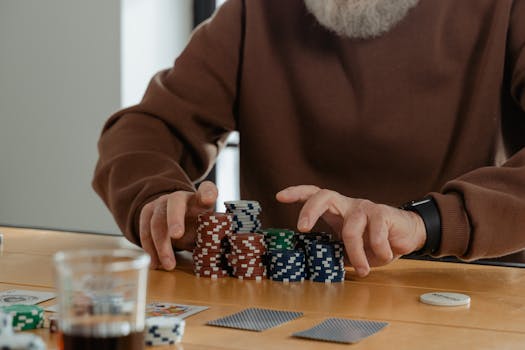
Close-up of an elderly man arranging poker chips during a game indoors. Photo: MART PRODUCTION / Pexels
Gambling addiction, often referred to as compulsive gambling or problem gambling, is a serious mental health disorder that can have devastating effects on an individual's life, finances, and relationships. In the United States, the accessibility of various forms of gambling, from casinos and sports betting to online platforms and lotteries, has unfortunately contributed to a significant number of people developing this addiction. It's not merely a bad habit; it's a recognized behavioral addiction characterized by an uncontrollable urge to gamble despite negative consequences. The National Council on Problem Gambling (NCPG) estimates that approximately 2 million adults in the US (about 1% of the adult population) meet the criteria for pathological gambling, with another 4-6 million considered problem gamblers. These statistics highlight the widespread nature of the issue and the urgent need for effective gambling addiction help in the US. Understanding the scope of the problem is the first step towards finding a solution. Many individuals struggling with this addiction often feel isolated and ashamed, making it difficult to seek help. However, it's crucial to remember that you are not alone, and a vast network of support and resources exists specifically to address this challenge. The shame associated with gambling addiction often prevents individuals from opening up, leading to a cycle of secretive behavior and deeper financial and emotional distress. This secrecy can exacerbate the problem, making it harder for family and friends to identify the signs and offer assistance. Early intervention is key, and recognizing the symptoms is paramount. These can include preoccupation with gambling, increasing bet amounts to achieve the same thrill, repeated unsuccessful attempts to cut back or stop, restlessness or irritability when trying to stop, gambling to escape problems or relieve dysphoric moods, chasing losses, lying to conceal the extent of gambling, jeopardizing relationships or jobs, and relying on others to provide money to relieve desperate financial situations caused by gambling. Identifying these signs in oneself or a loved one is the critical first step towards recovery. The societal perception of gambling often downplays its addictive potential, focusing instead on its entertainment value or economic contributions. This can make it even harder for those affected to recognize their problem or for others to take it seriously. However, the reality is that for a significant portion of the population, gambling can transition from a recreational activity to a severe addiction with profound consequences. The financial fallout alone can be catastrophic, leading to bankruptcy, debt, and even homelessness. Beyond the monetary aspects, the emotional toll is immense, often resulting in anxiety, depression, suicidal ideation, and severe damage to personal relationships. It's a complex disorder that requires a multifaceted approach to treatment and recovery. Recognizing the gravity of the situation is essential for anyone seeking or offering gambling addiction help in the US. Understanding gambling addiction is crucial for effective intervention.

Navigating the Spectrum of Support: Where to Find Gambling Addiction Help in the US

A group of friends playing poker indoors, enjoying leisure time together with snacks and drinks. Photo: cottonbro studio / Pexels
When seeking gambling addiction help in the US, it's reassuring to know that a wide array of resources is available, catering to different needs and stages of recovery. The journey to overcoming a gambling addiction often begins with reaching out to national helplines, which serve as critical entry points to the support system. The National Problem Gambling Helpline, accessible by calling or texting 1-800-GAMBLER, is a prime example. This helpline operates 24/7 and connects individuals to local resources, including treatment centers, counselors, and support groups, in all 50 states, as well as in Canada and the US Virgin Islands. It offers confidential assistance and acts as a vital bridge for those who might feel overwhelmed or unsure where to start. Beyond helplines, various professional treatment options are available. These can range from outpatient therapy, where individuals attend regular counseling sessions while living at home, to intensive inpatient programs that provide a structured, supervised environment for recovery. Cognitive Behavioral Therapy (CBT) is a commonly used and highly effective therapeutic approach that helps individuals identify and change problematic thought patterns and behaviors related to gambling. Motivational Interviewing (MI) is another technique often employed to help individuals explore and resolve ambivalence about changing their gambling behavior. For more severe cases, or when co-occurring mental health issues are present, residential treatment centers offer a comprehensive approach, combining therapy, education, and peer support within a safe, controlled setting. These programs are designed to provide a complete break from gambling triggers and allow for intensive focus on recovery. In addition to professional treatment, peer support groups play an indispensable role in recovery. Gamblers Anonymous (GA) is perhaps the most well-known of these, offering a 12-step program modeled after Alcoholics Anonymous. GA meetings provide a safe, anonymous space for individuals to share their experiences, strength, and hope with others facing similar struggles. The power of shared experience and mutual support in GA cannot be overstated, as it fosters a sense of community and reduces feelings of isolation. Gam-Anon, a similar organization, offers support for the family and friends of compulsive gamblers, recognizing that addiction impacts more than just the individual. Many states also have their own councils on problem gambling, which offer localized resources, educational materials, and prevention programs. These state-level organizations often have websites detailing specific services available within their jurisdiction, including lists of certified counselors and treatment facilities. Online resources and forums have also emerged as valuable tools, offering support, information, and a sense of community for those who may not have access to in-person meetings or who prefer the anonymity of the internet. These digital platforms can provide supplementary support, but it's important to ensure they are reputable and offer evidence-based advice. The key is to find a combination of resources that best suits an individual's needs, recognizing that recovery is a personalized journey. The journey often involves a combination of these approaches, tailored to the individual's specific situation and needs. It's not a one-size-fits-all solution, and what works for one person may not work for another. Therefore, exploring different options and being open to various forms of support is crucial. Many state health departments also offer resources or can direct individuals to appropriate services, often with options for low-cost or free treatment depending on income and insurance status. Don't hesitate to investigate all avenues when seeking gambling addiction help in the US.

Building a Foundation for Lasting Recovery: Strategies and Tools for Overcoming Compulsive Gambling

Close-up of an elderly man arranging poker chips during a game indoors. Photo: MART PRODUCTION / Pexels
Achieving lasting recovery from compulsive gambling requires more than just stopping the act of gambling; it involves rebuilding one's life, developing new coping mechanisms, and establishing a strong support network. One of the fundamental strategies is to implement practical barriers to gambling. This can include self-exclusion programs offered by casinos and online platforms, which legally prevent an individual from entering gambling establishments or accessing online accounts for a specified period. Many states have voluntary self-exclusion lists that individuals can sign up for, providing a critical physical and digital barrier to temptation. Financial management is another cornerstone of recovery. Problem gambling often leads to significant financial distress, and regaining control over money is essential. This might involve handing over financial control to a trusted family member or friend, setting up automatic bill payments, closing credit card accounts, and working with a financial counselor to manage debts and create a budget. Learning to live without access to large sums of money or credit can be a challenging but necessary step in breaking the cycle of gambling. Developing healthy coping mechanisms is vital for managing the urges and triggers associated with gambling. Instead of turning to gambling to escape stress, boredom, or emotional pain, individuals in recovery learn to engage in alternative activities. This could involve pursuing new hobbies, exercising, spending time in nature, practicing mindfulness or meditation, or engaging in creative outlets. Therapy, particularly CBT, plays a significant role in helping individuals identify their triggers and develop these healthier responses. It equips them with the tools to challenge distorted thinking patterns that fuel gambling behavior and replace them with more rational and constructive thoughts. Building a robust support system is equally important. This includes consistent attendance at support group meetings like Gamblers Anonymous, where individuals can share their struggles and successes in a non-judgmental environment. The fellowship and accountability found in these groups provide ongoing encouragement and a sense of belonging. Involving trusted family members and friends in the recovery process, educating them about the addiction, and allowing them to offer support can also strengthen the individual's resolve. Family therapy can be beneficial in repairing relationships strained by the addiction and establishing healthy communication patterns. Relapse prevention is a critical component of any recovery plan. This involves identifying potential high-risk situations, developing strategies to avoid or navigate them, and having a plan in place should an urge arise. Understanding that relapse is a part of the recovery process, rather than a failure, is important. It's an opportunity to learn and adjust strategies, not a reason to give up. Many individuals find that continuous engagement with therapy and support groups provides the ongoing reinforcement needed to maintain long-term sobriety. For those seeking comprehensive gambling support, these strategies form the backbone of a successful recovery journey. The path is challenging, but with dedication and the right resources, lasting freedom from gambling addiction is entirely achievable. It requires patience, persistence, and a willingness to embrace change, but the rewards of a life free from the grip of gambling are immeasurable.

Common Pitfalls and Essential Tips for Effective Gambling Addiction Help in the US

Close-up of an elderly man arranging poker chips during a game indoors. Photo: MART PRODUCTION / Pexels
Navigating the road to recovery from gambling addiction in the US can be fraught with challenges, and understanding common pitfalls can help individuals and their loved ones avoid setbacks. One major pitfall is underestimating the power of the addiction. Many believe they can control their gambling, leading to attempts to moderate rather than abstain completely, which often results in relapse. For compulsive gamblers, complete abstinence is typically the most effective path to recovery. Another common mistake is isolating oneself. The shame and guilt associated with gambling addiction can cause individuals to withdraw from family and friends, making them more vulnerable to relapse. Actively seeking and accepting support from loved ones, therapists, and support groups is crucial. Financial mismanagement during recovery is also a significant pitfall. Without a clear plan to manage debt and restrict access to funds, the temptation to gamble to 'win back' losses can be overwhelming. Establishing financial boundaries and seeking professional financial counseling are essential. Neglecting co-occurring mental health issues, such as depression, anxiety, or substance abuse, is another serious error. These conditions often fuel gambling addiction and must be addressed concurrently for successful recovery. Integrated treatment that tackles all issues simultaneously is often the most effective. Finally, becoming complacent in recovery can lead to relapse. Recovery is an ongoing process, not a destination. Regular attendance at support meetings, continued therapy, and self-care practices are vital to maintaining long-term sobriety. Here are essential tips for effective gambling addiction help in the US: * **Embrace complete abstinence:** For most, moderation is not a viable long-term solution. Commit to stopping all forms of gambling. * **Utilize self-exclusion programs:** Sign up for these at casinos, online betting sites, and state lotteries to create physical and digital barriers. * **Seek professional therapy:** Cognitive Behavioral Therapy (CBT) and other therapeutic approaches can help identify triggers and develop coping strategies. * **Join a support group:** Gamblers Anonymous (GA) provides invaluable peer support, shared experiences, and accountability. * **Establish financial safeguards:** Grant a trusted individual control over finances, close gambling accounts, and seek debt counseling. * **Address underlying issues:** Work with a therapist to treat any co-occurring mental health conditions. * **Develop new hobbies and interests:** Replace gambling with healthy, constructive activities that bring joy and purpose. * **Build a strong support network:** Lean on family, friends, and recovery peers for encouragement and understanding. * **Practice self-care:** Prioritize physical and mental well-being through exercise, healthy eating, and stress reduction techniques. * **Have a relapse prevention plan:** Identify triggers and develop specific strategies for handling urges and high-risk situations. Remember, recovery is a journey, and setbacks are opportunities for learning, not failure.

Comparison

FeatureProfessional TherapyGamblers Anonymous (GA)National HelplinesSelf-Exclusion Programs
ConfidentialityHighHigh (anonymous)HighModerate (personal data shared with operators)
CostVaries (insurance may cover)Free (voluntary contributions)FreeFree
Personalized Treatment✗ (group-focused)✗ (referral only)
Peer Support✗ (individual focus)✗ (referral to groups)
Direct Gambling Barrier
Availability USWidespreadWidespreadNational (24/7)Varies by state/operator
Addresses Co-occurring Issues✗ (focus on gambling)✗ (referral only)

What Readers Say

"I was drowning in debt and despair from online sports betting. Calling 1-800-GAMBLER was the best decision I ever made. They connected me to a local therapist and a GA meeting, which literally saved my life. I'm now 18 months gambling-free thanks to the gambling addiction help US provided."

Sarah J. · Austin, TX

"Gamblers Anonymous meetings became my lifeline. The understanding and support from others who truly get it is immeasurable. I've learned so much about myself and how to cope without gambling, all thanks to these amazing resources for gambling addiction help in the US."

Mark D. · Chicago, IL

"My husband's gambling addiction nearly destroyed our family. We found a family therapist through the state's problem gambling council. It was a long road, but with professional guidance and his commitment to self-exclusion, he's regained control, and our family is healing. This gambling addiction help US program truly worked for us."

Emily R. · Denver, CO

"The self-exclusion program at my local casino was a necessary evil. It was tough initially, but it created a vital barrier. I wish I had sought therapy sooner, but I'm grateful for the mechanisms in place that eventually pushed me toward recovery. The available gambling addiction help in the US is robust if you commit."

David L. · Miami, FL

"I used online resources and a virtual support group to start my recovery journey. The anonymity made it easier to open up initially. Eventually, I transitioned to in-person therapy, which has been incredibly beneficial. It's great to see so many accessible options for gambling addiction help US wide."

Jessica M. · Seattle, WA

Frequently Asked Questions

What are the first steps to getting gambling addiction help in the US?

The very first step is acknowledging you have a problem. Then, immediately reach out to the National Problem Gambling Helpline at 1-800-GAMBLER. They can provide immediate support, information, and direct you to local resources such as therapists, treatment centers, and support groups in your area.

Is gambling addiction help in the US confidential?

Yes, most forms of gambling addiction help, especially professional therapy and national helplines, prioritize confidentiality. Support groups like Gamblers Anonymous also operate on principles of anonymity to ensure a safe and private space for sharing and recovery.

How do self-exclusion programs work in the US?

Self-exclusion programs allow individuals to voluntarily ban themselves from gambling establishments (casinos, racetracks) or online gambling platforms for a specified period (e.g., 1 year, 5 years, or lifetime). You typically sign up with the state's gambling commission or directly with operators, and violating the agreement can result in being arrested for trespassing or forfeiture of winnings.

What is the cost of gambling addiction treatment in the US?

The cost varies significantly. National helplines and support groups like GA are free. Outpatient therapy can range from $50-$200+ per session, though many insurance plans cover mental health treatment. Inpatient residential programs are the most expensive, potentially costing thousands, but financial aid and sliding scale fees may be available, and some insurance plans offer coverage. Many state problem gambling councils also offer free or low-cost counseling.

How does gambling addiction help in the US compare to other countries?

The US offers a robust and comprehensive system of gambling addiction help, similar to many developed countries. It includes national helplines, a strong network of support groups (like GA), diverse professional treatment options (CBT, residential), and state-regulated self-exclusion programs. The main difference might be the decentralized nature, with state-specific resources complementing federal initiatives.

Who should seek gambling addiction help in the US?

Anyone who experiences negative consequences due to their gambling behavior – financial distress, relationship problems, job issues, or emotional turmoil – should seek help. Even if you don't meet the full criteria for addiction, if gambling is causing problems in your life, help is available and beneficial.

Are there risks associated with seeking gambling addiction help in the US?

There are generally no risks associated with seeking help; rather, the risks lie in *not* seeking help. The only potential 'risk' might be the emotional discomfort of confronting the addiction, but this is a necessary part of healing. Reputable services prioritize your well-being and privacy.

What are the future trends for gambling addiction help in the US?

Future trends include increased integration of technology (telehealth, apps for self-management), a greater focus on personalized treatment plans, expanded research into neurobiology and pharmacotherapy for gambling addiction, and more proactive public health campaigns to raise awareness and reduce stigma, especially with the expansion of legalized online gambling.

If you or someone you know is struggling with problem gambling, don't wait. The comprehensive network of gambling addiction help in the US is ready to support you on your journey to recovery. Take the courageous step today and reclaim your life.

Topics: gambling addiction help USproblem gambling resourcescompulsive gambling treatmentgambling support groupsresponsible gambling US
Leo List
Brampton weed
Adultwork