The Enduring History of Gambling in America
history of gambling in America

The Enduring History of Gambling in America

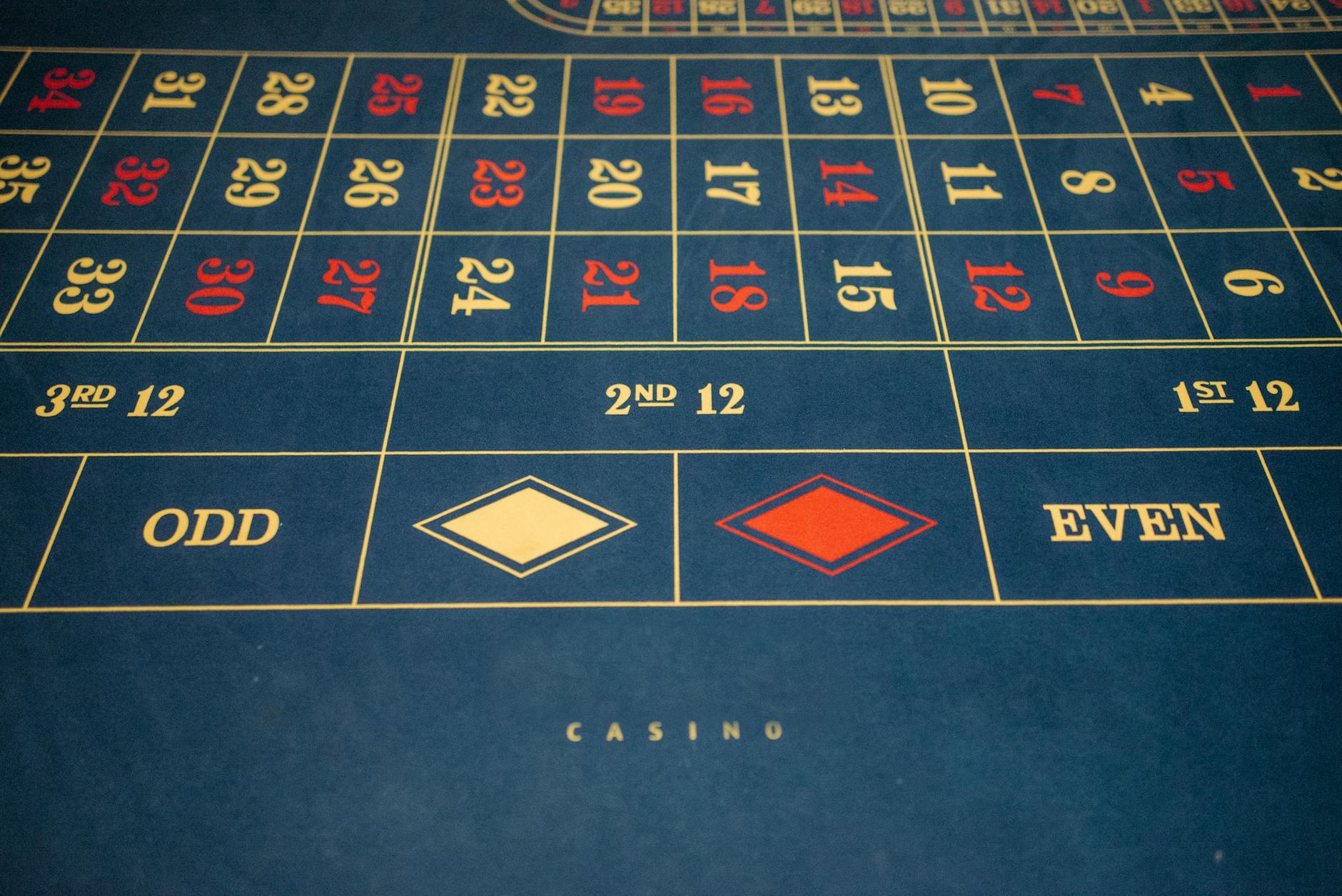
Detailed view of a casino roulette table with numbers and betting options.Photo: Pavel Danilyuk / Pexels

The Enduring History of Gambling in America

Unravel the fascinating journey of chance and fortune that shaped the American landscape, from its earliest roots to today's digital age.

Discover the Past

Key Takeaways

  • ✓ Gambling in America predates European settlement, with indigenous populations engaging in games of chance.
  • ✓ Colonial America saw lotteries as a common method for funding public works and institutions.
  • ✓ The 19th century brought a mix of widespread legal and illegal gambling, often tied to westward expansion.
  • ✓ Nevada legalized casino gambling in 1931, leading to the rise of Las Vegas as a global gambling hub.

How It Works

1
Early Beginnings & Colonial Era

Understand how games of chance were integral to indigenous cultures and later used by European settlers to fund infrastructure and education. Lotteries were a primary form of sanctioned gambling.

2
19th Century Expansion & Regulation

Explore the boom of gambling during the frontier era, its subsequent moralistic backlash, and the initial attempts at widespread prohibition. Riverboat gambling and saloons became iconic.

3
20th Century Legalization & Growth

Witness the pivotal moment of Nevada's legalization, the birth of modern casino resorts, and the eventual expansion of state-sanctioned gambling across the nation. Organized crime often played a role in its early development.

4
Modern Era & Digital Transformation

Examine the late 20th and early 21st century's rise of tribal casinos, sports betting, and online gambling, marking a new chapter in accessibility and regulation. Technology continues to reshape the landscape.

The Formative Years: Gambling in Colonial and Early America

Detailed close-up of a EuroJackpot lottery ticket with selected numbers in focus.Photo: Waldemar Brandt / Pexels
The narrative of gambling in America is as old as the nation itself, deeply woven into the fabric of its social, economic, and political development. Far from being a modern invention, games of chance were a common pastime and even a critical financial tool during the colonial period and the nascent years of the United States. Indigenous peoples, long before European arrival, engaged in various forms of gambling, often tied to spiritual beliefs, social rituals, and the distribution of resources. Games involving dice, sticks, and shells were prevalent, demonstrating an innate human inclination towards chance and competition. Upon the arrival of European settlers, new forms of gambling were introduced and quickly assimilated. British and other European card games, racing, and wagers became popular. However, the most significant form of sanctioned gambling in early America was the lottery. Lotteries were not seen as vices but rather as legitimate and necessary mechanisms for public finance. They funded a remarkable array of public works and institutions that laid the groundwork for the emerging nation. Universities like Harvard, Yale, and Princeton, for instance, relied on lottery proceeds for their establishment or expansion. Roads, bridges, canals, and even military endeavors during the Revolutionary War were financed through the sale of lottery tickets. This widespread acceptance of lotteries illustrates a pragmatic approach to gambling, where the potential moral pitfalls were often outweighed by the tangible benefits to the community. As the nation grew, so did the diversity and prevalence of gambling activities. The frontier spirit, characterized by risk-taking and a belief in individual fortune, naturally fostered an environment where gambling thrived. Taverns, inns, and coffee houses served as early hubs for card games, dice, and other forms of wagering. While some voices of dissent and moral condemnation began to emerge, particularly from religious groups, the overall attitude remained largely permissive. The lines between entertainment, social interaction, and financial speculation were often blurred, making gambling an integral part of everyday life for many Americans. This period set the stage for the dramatic shifts in public opinion and legal frameworks that would characterize the 19th and 20th centuries, as the nation grappled with the complex relationship between individual liberty, public morality, and the pursuit of wealth. Understanding these formative years is crucial to grasping the enduring presence and evolving nature of gambling in American society.

The Wild West, Victorian Morality, and the Era of Prohibition

A vintage-themed still life featuring playing cards, poker chips, coins, a revolver, and a pocket watch.Photo: Townsend Walton / Pexels
The 19th century marked a tumultuous period for gambling in America, characterized by stark contrasts between widespread, often illicit, activities and a growing moralistic backlash that led to waves of prohibition. The westward expansion of the United States fueled a boom in gambling. Mining towns, cattle drives, and burgeoning cities in the frontier lands became hotbeds for games of chance. Poker, faro, and various card games were ubiquitous in saloons and makeshift gambling dens, attracting prospectors, cowboys, and entrepreneurs seeking to make or lose their fortunes overnight. Riverboat gambling, particularly along the Mississippi River, became iconic, offering a mobile, unregulated environment where high stakes and elaborate cheating schemes were common. These settings cultivated a romanticized, yet often dangerous, image of gambling as an essential part of the American spirit of adventure and risk-taking. However, as the century progressed, a powerful counter-movement gained momentum. The Victorian era brought with it a surge in moral reform, driven largely by religious organizations and temperance movements. Gambling, alongside alcohol consumption and prostitution, became targets of fierce condemnation. Reformers viewed gambling as a corrupting influence, leading to poverty, crime, and the breakdown of family values. This moral crusade led to increasingly stringent anti-gambling laws across many states. By the late 19th and early 20th centuries, most forms of gambling, including lotteries which had once been a pillar of public finance, were outlawed. Even the once-ubiquitous horse racing faced severe restrictions. The early 20th century further solidified this prohibitionist stance, culminating in a period where legal gambling was virtually non-existent in the United States. While laws were enacted, illegal gambling continued to thrive underground. Speakeasies, backroom games, and organized crime syndicates capitalized on the public's enduring desire to gamble. This era highlighted the inherent difficulty of eradicating a deeply ingrained human activity through legislation alone. The failure of complete prohibition, much like with alcohol, eventually led to a reevaluation of policy. This period of strict regulation and its unintended consequences ultimately paved the way for a dramatic shift in the mid-20th century, as states began to reconsider the potential benefits of controlled and taxed gambling, rather than leaving it entirely to the shadows of the criminal underworld. The tension between individual freedom, moral concerns, and economic pragmatism continued to define the evolving landscape of gambling in America.

The Rise of Modern Casinos and State-Sanctioned Gaming

Night view of the iconic Binion's Hotel and Casino showcasing its bright neon lights in Las Vegas.Photo: Kio / Pexels
The mid-20th century marked a pivotal turning point in the history of gambling in America, ushering in an era of legalized, regulated, and highly commercialized gaming. The most significant event was the state of Nevada's decision to legalize casino gambling in 1931. While initially intended to boost the state's economy during the Great Depression, this move laid the foundation for what would become Las Vegas, a global epicenter of entertainment and gambling. Early Las Vegas casinos, often bankrolled by figures with ties to organized crime, began to transform the image of gambling from a seedy, underground activity into a glamorous, if still somewhat controversial, attraction. The development of luxurious resorts, world-class entertainment, and sophisticated marketing strategies helped to legitimize the industry in the eyes of many. This period saw the invention of iconic slot machines and the standardization of table games that are still prevalent today. For decades, Nevada held a near-monopoly on full-scale casino gambling in the U.S. However, the economic challenges faced by other states, coupled with the success of Las Vegas, eventually led to a reevaluation of anti-gambling policies. In 1976, New Jersey voters approved casino gambling in Atlantic City, hoping to revitalize the struggling resort town. This marked the beginning of a slow but steady expansion of legalized gambling across the nation. The late 20th century witnessed a significant diversification of gambling options. The Indian Gaming Regulatory Act (IGRA) of 1988 was a landmark piece of legislation that enabled Native American tribes to operate casinos on their sovereign lands. This act not only provided a powerful tool for economic development and self-sufficiency for many tribes but also dramatically expanded the geographical reach of casino gambling, bringing it closer to major population centers. Tribal casinos quickly became a major force in the industry. Beyond casinos, states began to explore other forms of revenue-generating gambling. State lotteries, which had been largely outlawed in the 19th century, made a dramatic comeback, starting with New Hampshire in 1964. Today, almost all states operate lotteries, contributing billions of dollars annually to public services, education, and infrastructure. The late 20th century also saw the re-emergence of pari-mutuel betting on horse and dog racing, and the gradual acceptance of charitable gaming, such as bingo. This widespread legalization and diversification transformed gambling from a fringe activity into a mainstream industry, generating significant tax revenues and employment across the United States. The shift reflected a broader societal acceptance, driven by economic necessity and a changing moral landscape, setting the stage for the digital age of gambling.

Navigating the Digital Age: Online Betting and Future Trends

A lively casino scene with players placing bets and handling gaming chips on a roulette table.Photo: Pavel Danilyuk / Pexels
The 21st century has ushered in an unprecedented era of transformation for the gambling industry in America, largely driven by technological advancements and shifting legal landscapes. The internet has revolutionized how people access and engage with games of chance, creating a new frontier for gambling. Online casinos, poker rooms, and sportsbooks began to emerge in the late 1990s and early 2000s, initially operating largely unregulated from offshore locations. The Unlawful Internet Gambling Enforcement Act (UIGEA) of 2006 attempted to curb this growth by making it illegal for financial institutions to process transactions for illegal online gambling, but it did not explicitly outlaw online gambling itself, leading to a complex and often confusing legal environment. However, the tide began to turn dramatically in 2018 when the U.S. Supreme Court struck down the Professional and Amateur Sports Protection Act (PASPA), effectively allowing states to legalize sports betting. This landmark decision unleashed a wave of legislative activity, with dozens of states quickly moving to permit and regulate both retail and online sports betting. This has led to an explosion in the availability of sports wagering, transforming the way Americans interact with sports and creating a multi-billion dollar industry in just a few years. The success of regulated sports betting has also reignited discussions about the broader legalization of online casino games and poker, with a growing number of states now offering these options. The future of gambling in America is likely to be characterized by continued technological innovation and a further blurring of lines between traditional and digital forms of gaming. Virtual reality (VR) and augmented reality (AR) casinos, skill-based gaming machines, and cryptocurrency betting are all emerging trends that could reshape the industry. The ongoing debate surrounding responsible gambling and player protection will also remain central, as regulators strive to balance economic benefits with social responsibility. As the history of gambling in America demonstrates, the industry is constantly evolving, reflecting societal attitudes, technological progress, and economic imperatives. Understanding these ongoing developments is key to appreciating the dynamic and ever-changing landscape of American gambling.

Comparison

Era/FeatureColonial Period19th CenturyMid-20th CenturyModern Era
Primary Gambling FormsLotteries, card gamesPoker, Faro, RiverboatCasinos (slots, table games)Online betting, Sportsbooks, Tribal Casinos
Legal StatusMostly legal (lotteries)Mixed, increasing prohibitionLegalized in specific states (NV, NJ)Widespread state-by-state legalization
Funding MechanismPublic works, educationIndividual entertainment/profitState revenue, tourismState revenue, tribal economic development
Key LocationsTaverns, town squaresSaloons, riverboats, frontier townsLas Vegas, Atlantic CityPhysical casinos, online platforms, mobile apps

What Our Readers Say

5 ★★★★★

"This article provided an incredibly thorough and engaging look into the history of gambling in America. I particularly enjoyed learning about the colonial lotteries funding early universities; it really put things into perspective!"

5 ★★★★★

"As someone in the gaming industry, I found this a well-researched and insightful piece. The breakdown of how Las Vegas came to be, and the impact of tribal gaming, was especially interesting for understanding our roots."

5 ★★★★★

"I always thought gambling was just a recent phenomenon, but this article completely changed my view. It clearly showed how deeply gambling is intertwined with American history, from frontier towns to modern apps."

4 ★★★★☆

"A very comprehensive overview, though I would have liked to see a bit more on the specific roles of organized crime in the early casino days, beyond just a mention. Still, excellent content."

5 ★★★★★

"Understanding the legal evolution, from widespread prohibition to today's state-by-state legalization, was extremely helpful. It clarified a lot about why gambling laws differ so much across the country."

Frequently Asked Questions

What was the earliest form of gambling in America?
The earliest forms of gambling in America predate European settlement, with indigenous peoples engaging in games of chance for various purposes. After European arrival, lotteries became the most common and sanctioned form of gambling in colonial America, used extensively to fund public works, institutions, and even military efforts.
Why did gambling become illegal in many states during the 19th century?
Gambling became largely illegal in many states during the 19th century due to a powerful moralistic backlash, primarily driven by religious and temperance movements. Reformers viewed gambling as a vice that led to social decay, poverty, and crime, pushing for stricter laws to prohibit it across the nation.
How did Las Vegas become a gambling hub?
Las Vegas became a gambling hub after Nevada legalized casino gambling in 1931, primarily as a means to boost its economy during the Great Depression. The city's remote location, combined with investments from figures (some with organized crime ties) who built lavish resorts, helped it grow into a global destination for entertainment and gaming, solidifying its reputation as 'Sin City'.
How do state lotteries contribute to public funds?
State lotteries contribute billions of dollars annually to public funds by dedicating a portion of their revenues to specific state programs. These funds often support education, infrastructure projects, senior services, environmental initiatives, and other public services, making lotteries a significant non-tax revenue source for many states.
What is the significance of the Indian Gaming Regulatory Act (IGRA)?
The Indian Gaming Regulatory Act (IGRA) of 1988 was significant because it established the regulatory framework for Native American tribes to operate casinos on their sovereign lands. This act provided a powerful tool for tribal economic development and self-sufficiency, dramatically expanding the reach of casino gambling across the United States and creating a new segment of the industry.
Who should be aware of the history of gambling in America?
Anyone interested in American social history, economic development, legal evolution, or the entertainment industry should be aware of the history of gambling in America. It's particularly relevant for policymakers, gaming industry professionals, responsible gambling advocates, and casual players seeking to understand the context of current laws and trends.
Are there risks associated with the expansion of online gambling?
Yes, while offering convenience, the expansion of online gambling does carry risks, including increased accessibility for problem gamblers, challenges in age verification, and potential for fraud if not properly regulated. Regulators and operators are continuously working on implementing safeguards like self-exclusion programs, spending limits, and responsible gaming tools to mitigate these risks.
What future trends are expected in American gambling?
Future trends in American gambling are expected to include further expansion of online sports betting and casino games across more states, driven by technology like virtual reality (VR) and augmented reality (AR) for immersive experiences. We may also see more integration of skill-based gaming, cryptocurrency betting, and continued focus on responsible gambling technologies and regulations.

Delve deeper into the fascinating history of gambling in America and explore how its past continues to shape its present and future. Understanding this complex journey provides invaluable insight into one of the nation's most enduring and evolving industries.

Topics: history of gambling in Americagambling evolution USAmerican gambling lawscasino history USAsports betting history
Leo List
Brampton weed
Adultwork