✓ Gambling has been present in America since before its founding, brought by European settlers.
✓ Lotteries were instrumental in funding early American infrastructure and institutions, including universities.
✓ The 19th century saw a complex interplay of moral crusades and widespread informal gambling.
✓ Nevada legalized casino gambling in 1931, paving the way for modern Las Vegas.
✓ The 20th and 21st centuries have seen a significant expansion of legal gambling forms across states.
How It Works
1
Colonial Beginnings
European settlers brought various forms of gambling, including lotteries and card games, which quickly became part of colonial life. These activities often served as social pastimes and fundraising tools.
2
19th Century Expansion & Repression
As the nation grew, gambling spread, particularly in frontier towns and cities. However, moral and religious movements led to periods of intense prohibition and crackdowns on various forms of wagering.
3
20th Century Legalization & Growth
Nevada's legalization of casino gambling in 1931 marked a turning point. The latter half of the century saw states increasingly turn to lotteries and, later, tribal and commercial casinos for revenue.
4
Modern Era & Digital Transformation
The late 20th and early 21st centuries brought the rise of tribal gaming and the internet. Online gambling, sports betting, and new technologies continue to reshape the landscape of legal and regulated gambling in the US.
From Colonial Wagers to Early American Enterprise: The Genesis of Gambling
Photo: Waldemar Brandt / Pexels
The history of gambling in the United States is as old as the nation itself, deeply intertwined with its founding and development. When European settlers arrived on American shores, they brought with them not only their cultures and customs but also their predilection for games of chance. Dice games, card games like Faro and Vingt-et-Un (an early form of Blackjack), and various forms of wagering were common leisure activities, providing entertainment and a means to pass the time in often harsh frontier conditions. These early forms of gambling were not always viewed with the same moralistic lens that would emerge in later centuries; instead, they were often integrated into daily life, sometimes even serving practical purposes. For instance, horse racing, a popular pastime among the elite and common folk alike, involved significant betting and was a major social event in colonial society. Its popularity highlighted the inherent human desire for competition and the thrill of risk.
Perhaps the most significant and widely accepted form of gambling in early America was the lottery. Far from being seen as a vice, lotteries were embraced as a legitimate and effective method for public fundraising. They played a crucial role in financing a wide array of public and private ventures that were vital to the burgeoning colonies and, later, the young republic. Colleges such as Harvard, Yale, and Princeton, for example, relied on lottery funds to construct buildings and expand their endowments. Churches, schools, and hospitals also benefited from lottery proceeds. Even infrastructure projects, such as roads, bridges, and canals, which were essential for economic growth and westward expansion, were often funded through the sale of lottery tickets. This widespread acceptance and utility of lotteries demonstrate a pragmatic approach to gambling, where the potential societal benefits outweighed moral concerns for many. The founding fathers themselves were not immune to the allure of lotteries; George Washington reportedly purchased lottery tickets, and Thomas Jefferson was known to have used a lottery to dispose of his property. This early period established a precedent for gambling as a tool for public good, a concept that would resurface repeatedly throughout American history. The distinction between 'good' gambling (like lotteries) and 'bad' gambling (like backroom card games) began to form, laying the groundwork for future debates and regulations. The sheer omnipresence of these activities across all strata of society underscores the deeply ingrained nature of gambling in the formative years of the United States. It was a societal lubricant, a form of entertainment, and a practical financial instrument, all rolled into one. The early American experience with gambling was thus a complex tapestry of social custom, economic necessity, and burgeoning moral considerations, setting the stage for centuries of evolving attitudes and legal frameworks concerning this enduring human activity. For a deeper understanding of general gambling trends, consider exploring its broader historical context.
The Wild West and Moral Crusades: 19th Century Gambling Flourishes and Fades
Photo: Townsend Walton / Pexels
The 19th century represented a tumultuous and contradictory period in the history of gambling in the United States. As the nation expanded westward, so too did the prevalence and visibility of gambling. Frontier towns, bustling river cities, and newly established mining camps became hotbeds of wagering activity. Gamblers, often portrayed as colorful characters in popular lore, followed the trails of pioneers and prospectors, setting up operations in saloons, steamboats, and makeshift establishments. Games like poker, faro, and roulette became synonymous with the 'Wild West' image, offering both the promise of instant riches and the risk of ruin. Professional gamblers, known for their skill and sometimes their deceit, were fixtures in these environments, creating a culture where risk-taking and quick fortunes were glorified. This era saw gambling become an integral part of the social fabric in many burgeoning communities, serving as entertainment, a form of economic exchange, and a means of social interaction.
However, this widespread proliferation of gambling did not go unchecked. The 19th century was also characterized by powerful moral and religious movements that viewed gambling as a grave sin and a significant social ill. Temperance movements, evangelical revivals, and various reform societies gained considerable influence, pushing for stricter laws and outright prohibition of all forms of gambling. These movements often linked gambling to other perceived vices such as prostitution and excessive drinking, arguing that it led to poverty, crime, and the breakdown of family values. As a result, states and municipalities began to enact anti-gambling statutes, leading to cycles of legalization, prohibition, and clandestine operation. Laws were often difficult to enforce, leading to a cat-and-mouse game between authorities and gamblers. When gambling was outlawed, it simply moved underground, often becoming more deeply associated with organized crime. This created a paradoxical situation where attempts to suppress gambling often made it more dangerous and less regulated, fostering environments where corruption could thrive. The moralistic backlash against lotteries, which had been so prevalent in the colonial era, led to their widespread prohibition by the late 1800s, with many states banning them entirely due to concerns over fraud and their impact on the poor. This period set the stage for a long-standing tension in American society: the inherent human attraction to games of chance versus a strong moral and ethical opposition to their perceived negative consequences. The 19th century thus laid bare the complex relationship between individual liberty, public morality, and the role of government in regulating personal behavior, a debate that continues to shape discussions around gambling today. The push and pull between acceptance and condemnation during this century profoundly influenced how the nation would approach gambling in the centuries to come.
Nevada's Pioneering Move and the Rise of Modern Casinos: 20th Century Transformation
Photo: Kio / Pexels
The 20th century witnessed a dramatic shift in the landscape of gambling in the United States, largely spearheaded by a pivotal decision in the state of Nevada. Following the widespread prohibition of gambling across most of the nation by the early 1900s, an economic downturn in the late 1920s prompted a desperate search for new revenue streams. In 1931, in a bold move, Nevada fully legalized casino gambling. This decision was not initially driven by a vision of creating a global entertainment hub but rather by pragmatic financial considerations during the Great Depression. The state, sparsely populated and economically struggling, saw gambling as a way to attract tourists, generate tax revenue, and stimulate its flagging economy. This singular act of legalization in one state created a unique laboratory for regulated gambling and set the stage for the emergence of Las Vegas as the world's most famous gambling destination.
Initially, Las Vegas was a dusty railroad stop, but with the legalization of gambling and the concurrent construction of the Hoover Dam (which brought thousands of workers to the area), it began its transformation. Early casinos were often small, independently run establishments, but over time, larger, more luxurious resorts began to emerge. The involvement of figures with ties to organized crime in the early development of Las Vegas is an undeniable part of its history, as they provided capital and management expertise, albeit with a dark side. However, as the industry matured, legitimate corporations and publicly traded companies gradually took over, professionalizing operations and distancing themselves from illicit connections. The success of Nevada's gambling industry did not immediately lead to widespread legalization elsewhere. For decades, it remained largely an anomaly. However, the allure of the tax revenues generated by Nevada's casinos eventually proved too tempting for other states, especially as government services expanded and alternative funding sources became necessary. The latter half of the 20th century saw a gradual re-evaluation of gambling. State-run lotteries, which had been largely banned since the 19th century, began to reappear, starting with New Hampshire in 1964. These new lotteries were often framed as voluntary taxes that funded education or other public services, making them politically palatable. Atlantic City, New Jersey, followed Nevada's lead by legalizing casino gambling in 1976, aiming to revitalize its declining tourism industry. This marked the beginning of a slow but steady expansion of commercial casino gambling beyond Nevada's borders. The rise of tribal gaming later in the century, following the Indian Gaming Regulatory Act of 1988, further diversified and expanded the legal gambling landscape. This era cemented gambling as a significant economic force, transforming it from a clandestine activity into a regulated, multi-billion-dollar industry that continues to evolve. Understanding the historical context of gambling regulations is crucial for grasping its current state.
The Digital Age and Evolving Legalities: Modern Gambling Landscape
Photo: Pavel Danilyuk / Pexels
The turn of the 21st century ushered in a new era for gambling in the United States, primarily driven by technological advancements and shifting legal perspectives. The most significant development has been the advent of the internet and its profound impact on how and where people gamble. Online gambling, once a niche activity, has grown exponentially, presenting both immense opportunities for revenue and complex regulatory challenges. Initially operating in a legal gray area, the Unlawful Internet Gambling Enforcement Act (UIGEA) of 2006 attempted to restrict online gambling transactions, but its effectiveness was limited, and the demand for digital wagering continued to grow. This led to a patchwork of state-level regulations as states began to recognize the potential tax revenue from a regulated online market.
Another monumental shift has been the rapid expansion of sports betting. For decades, sports betting was largely confined to Nevada, thanks to the Professional and Amateur Sports Protection Act (PASPA) of 1992, which largely prohibited it elsewhere. However, in 2018, the Supreme Court struck down PASPA, declaring it unconstitutional. This landmark decision opened the floodgates for states to legalize and regulate sports betting within their borders. The response has been swift and widespread, with numerous states quickly passing legislation to allow both retail and online sportsbooks. This has transformed the way Americans engage with sports, adding a new dimension of excitement and financial interest to games and matches. The speed of this legalization wave reflects a significant change in public attitude and political will, driven by the desire for state revenue and the recognition that illegal sports betting was already rampant.
Beyond online platforms, tribal gaming has continued its robust growth since the Indian Gaming Regulatory Act of 1988. Tribal casinos, often located on reservations, have become major economic engines for many Native American communities, providing employment, infrastructure, and revenue for social services. These casinos often rival commercial establishments in size and luxury, further diversifying the national gambling market. The modern gambling landscape is characterized by this diverse array of options: traditional commercial casinos, state lotteries, tribal casinos, online poker and casino games, and widespread sports betting. Each new development brings with it a fresh set of regulatory challenges, concerns about problem gambling, and ongoing debates about the societal impact of expanded access to wagering. The industry is constantly innovating, exploring new technologies like virtual reality and esports betting, ensuring that the history of gambling in the United States remains a dynamic and ever-evolving narrative.
**Tips for Understanding Modern Gambling:**
* **Stay Informed on State Laws:** Gambling legality varies significantly by state, especially for online and sports betting. Always check local regulations.
* **Recognize the Economic Impact:** Legalized gambling is a major revenue generator for states, funding various public services.
* **Be Aware of Responsible Gaming:** With increased access, responsible gaming practices and resources are more important than ever.
* **Understand Technological Integration:** The future of gambling is deeply intertwined with advancements in mobile technology, data analytics, and AI.
* **Consider the Social Implications:** The expansion of gambling raises ongoing debates about addiction, community impact, and regulatory oversight.
Comparison
Feature
Colonial Lotteries
Wild West Saloons
Nevada Casinos
Modern Online Betting
Primary Purpose
Public Funding
Entertainment/Fortune
Tourism/Revenue
Convenience/Revenue
Regulation Level
Limited/Varied
Minimal/Prohibited
Highly Regulated
State-Regulated (Varied)
Accessibility
Widespread
Frontier/Urban Centers
Geographically Limited
Ubiquitous (State-Dependent)
Key Games
Lotteries, Card Games
Poker, Faro, Roulette
Slots, Table Games
Slots, Table Games, Sports, Poker
What Our Readers Say
5★★★★★
"This article on the history of gambling in the United States was incredibly insightful. It really put into perspective how deep-rooted gambling is in American culture, far beyond just casinos."
Sarah J.Boston, MA
5★★★★★
"As someone in the industry, understanding the full history of gambling in the United States, especially Nevada's role, is crucial. This piece offers a fantastic overview from colonial times to today."
Mark D.Las Vegas, NV
5★★★★★
"I never realized lotteries funded so many early American institutions! This historical journey through gambling in the US completely changed my perspective on its origins and societal impact."
Emily R.Austin, TX
4★★★★☆
"A very comprehensive look at the history of gambling in the United States. While I found the early history fascinating, I would have loved a bit more detail on the specific social impacts of prohibition periods."
David L.Chicago, IL
5★★★★★
"The section on the digital age of gambling was particularly relevant. It's amazing how quickly sports betting has become mainstream after its long history of restrictions across the US."
Jessica M.Miami, FL
Frequently Asked Questions
When did gambling first appear in the United States?
Gambling has been present in the United States since before its formal establishment, brought by European settlers in the colonial era. Early forms included card games, dice games, and most notably, lotteries used for public funding.
Was gambling always illegal in the US?
No, gambling has a complex legal history. While some forms faced early moral opposition, lotteries were widely accepted and used for fundraising in colonial times. Periods of widespread prohibition in the 19th and early 20th centuries were followed by gradual re-legalization and regulation, starting with Nevada in 1931.
How did Las Vegas become a gambling hub?
Las Vegas rose to prominence after Nevada legalized casino gambling in 1931 during the Great Depression. This unique legal status, combined with infrastructure projects like the Hoover Dam, attracted investment and tourism, slowly transforming it into the world-renowned gambling destination it is today.
What role did lotteries play in early American history?
Lotteries played a crucial role in early American history, serving as a primary method for funding public works and institutions. They financed colleges like Harvard and Yale, built roads, bridges, and even helped support military efforts during the Revolutionary War.
How has the internet changed gambling in the US?
The internet has revolutionized gambling by enabling online casinos, poker, and sports betting, making wagering more accessible than ever before. This digital transformation has led to new regulatory challenges and a rapid expansion of legal online gambling markets in many states.
Who benefits from legal gambling in the United States today?
Legal gambling today benefits state governments through tax revenues, which often fund public services like education, infrastructure, and healthcare. It also provides economic benefits to tribal nations, generates jobs, and contributes to tourism in regions with casinos and other gaming establishments.
Are there still concerns about problem gambling in the US?
Yes, despite the expansion of legal gambling, concerns about problem gambling persist. Regulators and industry stakeholders increasingly focus on responsible gaming initiatives, providing resources and support for individuals who may develop gambling-related issues. This remains a significant societal challenge.
What is the future trend for gambling regulation in the United States?
The future trend for gambling regulation in the United States appears to be continued state-by-state expansion and refinement. Expect further legalization of online sports betting and casino games, potentially new forms of wagering, and ongoing efforts to balance revenue generation with consumer protection and responsible gaming measures.
Delve deeper into the fascinating history of gambling in the United States and understand the forces that shaped this enduring American pastime. Explore our resources to gain a comprehensive perspective on its evolution, impact, and future trajectory.
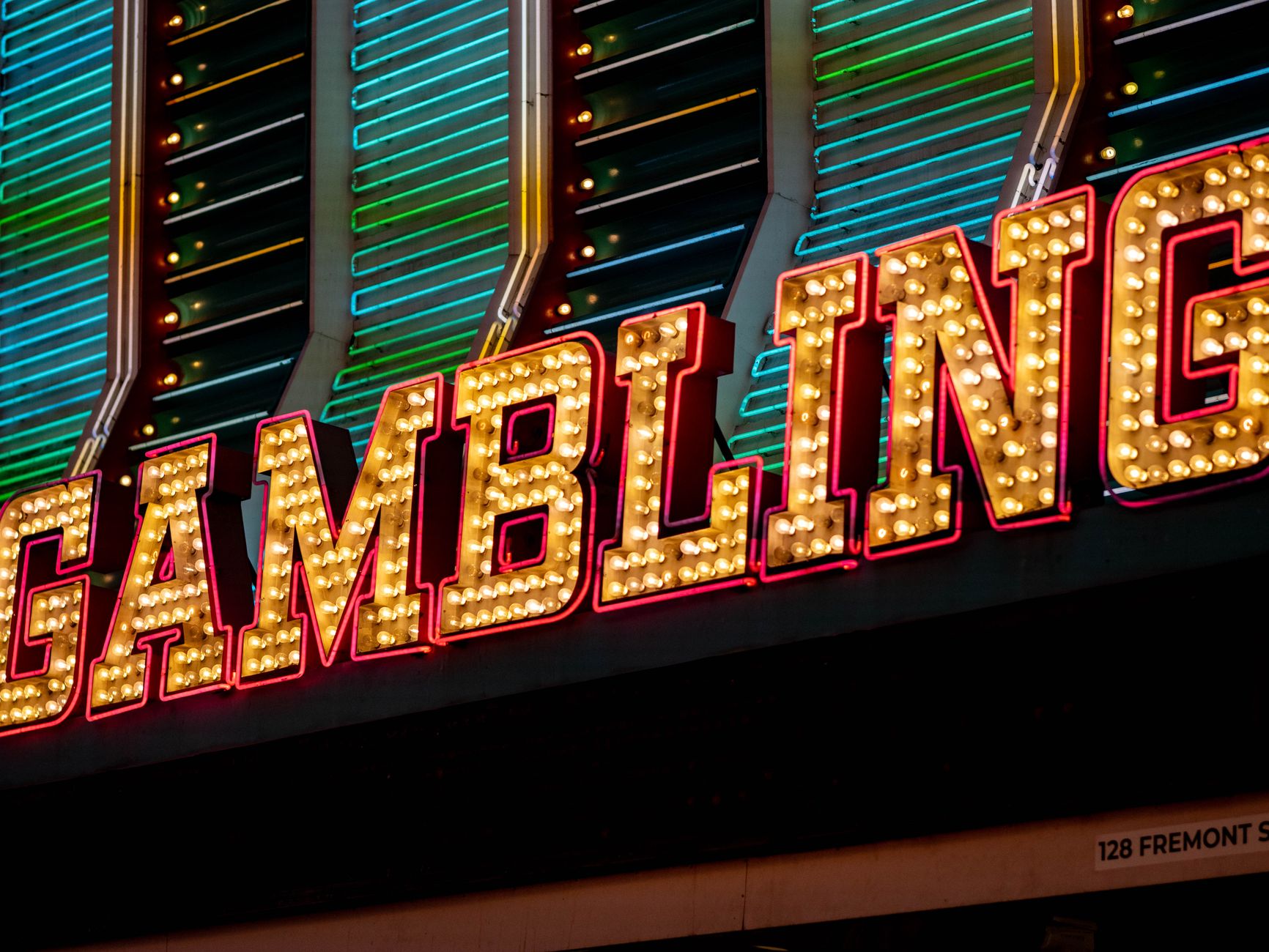
 Photo: Joshua Santos / Pexels
 Photo: Waldemar Brandt / Pexels
 Photo: Townsend Walton / Pexels
 Photo: Kio / Pexels
 Photo: Pavel Danilyuk / Pexels