✓ Gambling addiction is a recognized mental health disorder.
✓ Recovery is possible with the right strategies and support.
✓ Financial, emotional, and social impacts of gambling addiction are severe.
✓ Relapse is a common part of recovery, not a failure.
How It Works
1
Acknowledge the Problem
The first critical step is to honestly recognize that gambling has become a problem in your life. Self-awareness is the foundation for change.
2
Seek Professional Help
Connect with therapists, counselors, or support groups specializing in addiction. Expert guidance provides structured paths and coping mechanisms.
3
Implement Practical Barriers
Take concrete steps to limit access to gambling, such as self-exclusion programs and financial controls. These create immediate obstacles to behavior.
4
Build a Support System
Surround yourself with understanding friends, family, and peers who can offer encouragement and accountability. A strong network is vital for sustained recovery.
Understanding the Roots of Gambling Addiction: Why It's So Hard to Stop
Photo: Pavel Danilyuk / Pexels
Gambling addiction, clinically known as 'Gambling Disorder,' is a complex behavioral addiction that can profoundly impact an individual's life. It's not merely a bad habit or a lack of willpower; it's a recognized mental health condition characterized by persistent and recurrent problematic gambling behavior leading to clinically significant impairment or distress. Understanding why it's so difficult to stop is the first crucial step towards effective recovery. The brain's reward system plays a central role. When a person gambles, the brain releases dopamine, a neurotransmitter associated with pleasure and reward. This creates a powerful, often addictive, cycle. The anticipation of a win can be as stimulating, if not more so, than the win itself, driving individuals to chase that feeling, even when losses mount.
Various factors contribute to the development and persistence of gambling addiction. Psychological components include underlying issues such as anxiety, depression, trauma, or stress. Gambling can serve as a maladaptive coping mechanism, a temporary escape from difficult emotions or life circumstances. Individuals might gamble to numb pain, alleviate boredom, or even to feel a sense of excitement they lack in other areas of their lives. Furthermore, cognitive distortions play a significant role. These are irrational thought patterns that perpetuate gambling behavior. Examples include the 'gambler's fallacy' (believing past events influence future independent events, like thinking a losing streak means a win is due) or 'illusion of control' (believing one can influence random outcomes). These distorted beliefs make it incredibly challenging for an individual to recognize the true nature of their problem or to stop on their own.
Environmental and social factors also contribute. Easy access to various forms of gambling, including online platforms, casinos, sports betting, and lotteries, makes it readily available. Social circles where gambling is normalized or even encouraged can make it harder to resist. Financial desperation can also be a powerful motivator, as individuals might gamble in an attempt to recover past losses, leading to a vicious cycle known as 'chasing losses.' The shame and secrecy often associated with gambling addiction further isolate individuals, making it harder for them to reach out for help. This isolation can exacerbate the problem, trapping them in a cycle of secrecy, debt, and despair. Recognizing these deep-seated roots is essential for anyone trying to figure out how to stop gambling addiction. It's not about moral failing; it's about addressing a multifaceted condition that requires comprehensive intervention. The path to recovery begins with acknowledging these complexities and seeking appropriate support to dismantle the psychological, emotional, and behavioral patterns that sustain the addiction.
Practical Strategies to Sever Ties with Gambling
Photo: cottonbro studio / Pexels
Once you've acknowledged the problem, implementing practical strategies to create distance from gambling is paramount. This involves a multi-pronged approach that addresses accessibility, financial controls, and behavioral changes. The goal is to build barriers that make gambling difficult, if not impossible, to engage in, thereby breaking the immediate cycle of temptation and indulgence.
**1. Self-Exclusion Programs:** This is one of the most effective and direct methods. Most states with legal gambling, and many online platforms, offer self-exclusion programs. By enrolling, you voluntarily ban yourself from entering casinos, racetracks, or accessing online gambling sites for a specified period (e.g., 1 year, 5 years, or even permanently). This is a legally binding agreement, and attempting to gamble after self-excluding can lead to penalties. Research and sign up for all relevant self-exclusion programs in your region, both physical and online. This step requires proactive effort but provides a powerful external control.
**2. Financial Safeguards:** Gambling often leads to significant financial distress. Taking control of your finances is critical to recovery. Consider giving control of your finances to a trusted family member or friend. This could involve handing over bank cards, setting up joint accounts that require two signatures for withdrawals, or having someone else manage your income and pay bills. If this isn't feasible, implement strict budgeting and remove access to credit cards, which are often used to fund gambling binges. Look into setting up direct deposit of your paycheck into an account that is harder to access immediately, or into an account managed by a trusted individual. Financial counseling can also be invaluable in managing debt and rebuilding financial stability.
**3. Technology Blocks:** For online gambling, which is increasingly prevalent, technology can be your ally. Install website blockers and filtering software on all your devices (computers, smartphones, tablets) that prevent access to gambling sites. Many of these programs are designed to be difficult to bypass, requiring passwords known only to a trusted person. Consider notifying your internet service provider (ISP) about your situation, as some offer parental control features that can be adapted to block gambling sites.
**4. Avoid Triggers and High-Risk Environments:** Identify places, people, times, and emotions that trigger your urge to gamble. If certain friends or social groups encourage gambling, distance yourself or set clear boundaries. If driving past a casino or a betting shop triggers cravings, find alternative routes. Avoid situations where alcohol or other substances are consumed, as they can lower inhibitions and increase the likelihood of relapse. Actively replace these high-risk environments with safe, supportive ones. This might mean finding new hobbies, joining non-gambling social groups, or spending more time in nature.
**5. Limit Cash Access:** Reduce the amount of cash you carry, and avoid ATMs in or near gambling venues. The easier it is to access money, the easier it is to gamble impulsively. Consider using only debit cards for essential purchases, or having a trusted person hold your funds. These practical measures, when consistently applied, create essential physical and financial barriers that significantly reduce opportunities to gamble, giving you the space to focus on underlying issues and long-term recovery strategies.
Building a Robust Support System and Seeking Professional Guidance
Photo: Pavel Danilyuk / Pexels
While practical steps are crucial, true and lasting recovery from gambling addiction often hinges on building a strong support system and engaging with professional help. This addresses the emotional, psychological, and social dimensions of the addiction, providing tools and understanding that self-exclusion alone cannot. You don't have to face this challenge alone; an extensive network of resources is available to guide you.
**1. Professional Therapy and Counseling:** This is perhaps the most vital component of recovery. A qualified therapist specializing in addiction can help you uncover the underlying reasons for your gambling behavior. Cognitive Behavioral Therapy (CBT) is highly effective for gambling addiction, helping individuals identify and challenge distorted thinking patterns (like the gambler's fallacy) and develop healthier coping mechanisms. Motivational Interviewing can help strengthen your commitment to change. Family therapy can also be beneficial, as gambling addiction often impacts the entire family unit, helping to heal strained relationships and establish new patterns of communication and support. Don't hesitate to seek out a licensed professional; they provide a safe, confidential space to process complex emotions and develop personalized strategies.
**2. Support Groups:** Groups like Gamblers Anonymous (GA) offer invaluable peer support. GA operates on a 12-step program, similar to Alcoholics Anonymous, providing a structured path to recovery. Attending meetings allows you to connect with others who understand your struggles, share experiences, and gain encouragement. The anonymity fosters a sense of safety, and the shared journey creates powerful bonds. These groups provide a sense of community and accountability, which are critical for preventing relapse. There are also Gam-Anon groups for family members affected by someone else's gambling, offering them support and guidance.
**3. Enlisting Trusted Allies:** Identify a few trusted individuals in your life – a spouse, parent, sibling, or close friend – whom you can confide in and who are willing to support your recovery journey. This support might involve holding you accountable, helping manage finances, or simply being there to listen when cravings hit. It's important to choose people who are non-judgmental and genuinely want to help, not enable. Open communication with these allies is key, even when it's difficult. They can be your first line of defense against urges and provide emotional reinforcement.
**4. Developing Healthy Coping Mechanisms:** Gambling often serves as a way to cope with stress, boredom, or negative emotions. In recovery, you need to replace this destructive coping mechanism with positive ones. Explore new hobbies, engage in physical activity, practice mindfulness or meditation, volunteer, or pursue creative outlets. Building a fulfilling life outside of gambling is essential for sustainable recovery. These new activities not only distract from gambling urges but also contribute to overall well-being and a sense of purpose. Learning how to stop gambling addiction is not just about quitting; it's about building a better life. This holistic approach, combining professional expertise with robust social support and personal development, provides the most comprehensive and effective path to lasting freedom from gambling addiction.
Avoiding Relapse and Sustaining Long-Term Recovery
Photo: cottonbro studio / Pexels
Recovery from gambling addiction is a journey, not a destination, and preventing relapse is a continuous process. It requires vigilance, self-awareness, and a proactive approach to managing triggers and challenges. Relapse is not a sign of failure but a common part of the recovery process, offering valuable lessons if approached with resilience and a commitment to getting back on track. Understanding the common pitfalls and developing strategies to navigate them is crucial for sustaining long-term sobriety.
**1. Identify and Manage Triggers:** Continuously work to identify your personal triggers – specific emotions, situations, people, or even thoughts that provoke an urge to gamble. Common triggers include stress, boredom, loneliness, financial worries, celebrations, or even specific advertisements. Once identified, develop a personalized plan for managing each trigger. This might involve calling a sponsor, engaging in a healthy distraction, practicing relaxation techniques, or simply avoiding the trigger altogether if possible. Proactive trigger management is a cornerstone of relapse prevention.
**2. Develop a Relapse Prevention Plan:** Work with your therapist or support group to create a formal relapse prevention plan. This document outlines your personal triggers, warning signs of a potential relapse (e.g., obsessive thoughts about gambling, increased isolation, financial stress), and specific steps to take if you feel an urge to gamble. It should include contact information for your support network, a list of alternative activities, and strategies for regaining control. Having a plan in place before a crisis hits empowers you to respond effectively.
**3. Embrace and Learn from Setbacks:** If a relapse occurs, it's vital not to view it as the end of your recovery journey. Instead, see it as a setback from which you can learn. Avoid shame and self-blame, which can perpetuate the cycle. Immediately reach out to your support system, re-engage with your therapist, and analyze what led to the relapse. What were the triggers? What could you have done differently? Use the experience to strengthen your prevention strategies moving forward. The key is to get back on track as quickly as possible.
**4. Cultivate a Balanced Lifestyle:** A holistic approach to well-being significantly reduces the risk of relapse. Ensure you are getting adequate sleep, maintaining a healthy diet, and engaging in regular physical activity. These fundamental aspects of self-care improve mood, reduce stress, and enhance your ability to cope with challenges. Develop new, healthy hobbies and interests that bring you joy and a sense of purpose, filling the void that gambling once occupied. A life rich in positive experiences leaves less room for destructive behaviors.
**5. Continue with Support Systems:** Long-term recovery often involves ongoing engagement with support groups like Gamblers Anonymous or periodic check-ins with a therapist. These resources provide continuous encouragement, accountability, and a safe space to discuss challenges and celebrate successes. The support network can evolve over time, but maintaining some form of connection to others in recovery or to professional guidance is often critical for sustained freedom from gambling addiction. Remember, recovery is an ongoing process of growth and adaptation, and continuous self-care and support are your strongest allies.
Comparison
Feature
Professional Therapy
Gamblers Anonymous (GA)
Self-Exclusion Programs
Financial Controls
Cost
Varies (insurance may cover)
Free
Free
Varies (can be free)
Personalized Guidance
✓
✗
✗
✓
Peer Support
✗
✓
✗
✗
Legal/Formal Barrier
✗
✗
✓
✓
Addresses Underlying Issues
✓
✓
✗
✗
Immediate Gambling Stop
Indirect
Indirect
✓
✓
Long-term Maintenance
✓
✓
Indirect
✓
Anonymity
Confidential
✓
✗
Varies
What Our Readers Say
5★★★★★
"I was spiraling, losing everything. This guide helped me realize I wasn't alone and gave me concrete steps. The self-exclusion advice was a game-changer; it was the first real barrier I put in place, and it truly started my journey to stop gambling addiction."
Sarah J.Austin, TX
5★★★★★
"The section on understanding the roots of addiction was incredibly insightful. It helped me forgive myself and focus on healing. I've been attending GA meetings for six months now, and my life is finally turning around, thanks to the tools I found here."
Mark D.Chicago, IL
5★★★★★
"This resource didn't just tell me 'how to stop gambling addiction'; it showed me how to rebuild my life. I implemented financial controls with my sister, and the relief from that burden alone has been immense. Highly recommend for anyone struggling."
Jessica L.Miami, FL
4★★★★☆
"While very comprehensive, I initially found it overwhelming. However, breaking it down step-by-step made it manageable. The emphasis on professional help and support groups really resonated, and I'm slowly but surely making progress in my recovery."
David R.Denver, CO
5★★★★★
"As a family member of someone with a gambling problem, this article was a lifeline. It helped me understand what he was going through and how I could support him without enabling. The advice on building a support system was particularly helpful for both of us."
Emily S.Seattle, WA
Frequently Asked Questions
Is gambling addiction a real disease?
Yes, gambling addiction is officially recognized as Gambling Disorder, a behavioral addiction and mental health condition by the American Psychiatric Association. It shares many characteristics with substance use disorders, including impacts on brain chemistry and the need for professional treatment.
Can I stop gambling on my own, or do I need professional help?
While some individuals may be able to reduce or stop gambling on their own, especially if the problem is mild, professional help significantly increases the chances of lasting recovery. Therapists, counselors, and support groups provide strategies, accountability, and address underlying issues that are difficult to tackle alone.
How do self-exclusion programs work?
Self-exclusion programs allow you to voluntarily ban yourself from gambling venues or online platforms. You typically sign up with the state gambling commission or directly with operators. Violating self-exclusion can lead to penalties, and the program creates a legal barrier to prevent you from gambling.
What is the cost of treatment for gambling addiction?
The cost varies widely. Free resources like Gamblers Anonymous are available. Therapy and counseling costs depend on the provider, insurance coverage, and session frequency. Many insurance plans do cover behavioral health services, so it's worth checking your policy or contacting treatment centers for financial options.
How is gambling addiction different from other addictions?
Unlike substance addictions, gambling addiction doesn't involve ingesting a chemical, but it shares the core characteristics of addiction: compulsive behavior, craving, tolerance (needing to gamble more for the same thrill), withdrawal symptoms (irritability, anxiety when unable to gamble), and negative life consequences. The brain's reward pathways are similarly affected.
Who is most at risk for developing a gambling addiction?
Risk factors include a family history of gambling problems or other addictions, certain personality traits (e.g., impulsivity, competitiveness), co-occurring mental health disorders (depression, anxiety), trauma, and easy access to gambling. Young adults and older adults can also be at higher risk.
Is online gambling harder to stop than casino gambling?
Online gambling can present unique challenges due to its 24/7 accessibility, anonymity, and integration with everyday devices. The lines between daily life and gambling can blur, making it easier to hide and harder to resist the constant temptation, often requiring stronger technological barriers and self-exclusion measures.
What are the long-term prospects for recovery from gambling addiction?
With consistent effort, professional support, and a strong commitment to recovery, long-term freedom from gambling addiction is absolutely achievable. Recovery is an ongoing process of learning, adapting, and building a fulfilling life free from compulsive gambling. Many individuals go on to live healthy, productive lives.
Taking the first step to stop gambling addiction is a courageous act of self-love and the beginning of a new chapter. You are not alone, and with the right tools, support, and determination, a life free from the grip of gambling is within your reach. Start your journey to recovery today.

 Photo: Peggy Anke / Pexels
 Photo: Pavel Danilyuk / Pexels
 Photo: cottonbro studio / Pexels
 Photo: Pavel Danilyuk / Pexels
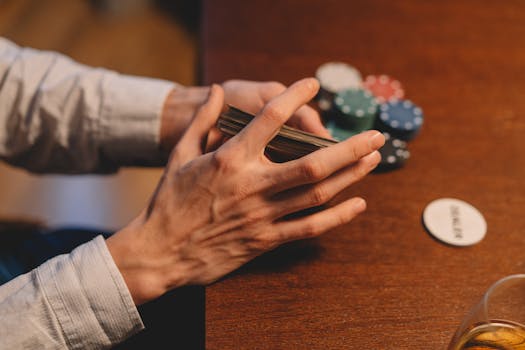 Photo: cottonbro studio / Pexels