Navigating Online Gambling Laws US: Your Expert Guide
online gambling laws US

Navigating Online Gambling Laws US: Your Expert Guide

Unravel the intricacies of US online gambling legislation, ensuring you play safely and legally across states.

Explore State Laws Now

Key Takeaways

  • ✓ Online gambling legality varies significantly by US state, not federally uniform.
  • ✓ The UIGEA (2006) primarily targets financial transactions, not individual bettors.
  • ✓ Sports betting legalization has rapidly expanded since the PASPA repeal in 2018.
  • ✓ Online casinos and poker are legal in fewer states than sports betting.
  • ✓ Age restrictions for online gambling are consistently 21+ in legal states.

How It Works

1
Understand the Federal Landscape

Federal laws like the UIGEA impact how financial institutions process gambling transactions, but generally don't criminalize individual online play. However, these laws set the stage for state-level regulation.

2
Identify Your State's Position

The most crucial step is to determine if online gambling (be it sports betting, casino games, or poker) is explicitly legal in your specific US state. Regulations differ dramatically from one state to another.

3
Choose Licensed Operators

If online gambling is legal in your state, always choose platforms that are officially licensed and regulated by your state's gaming commission. This ensures consumer protection, fair play, and secure transactions.

4
Comply with Verification Checks

Legal online gambling sites will require identity and location verification (geo-location) to ensure you are of legal age (21+) and physically present within state lines where gambling is permitted.

The Complex Tapestry of US Online Gambling Regulations
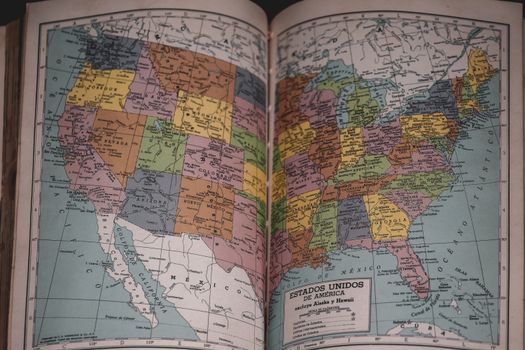
Classic vintage map of the United States in a historical book, showcasing detailed state borders. Photo: Arturo Añez. / Pexels
The landscape of online gambling laws in the US is a patchwork, far from a uniform federal approach. Unlike many European nations or other global markets with centralized regulation, the United States grants individual states significant autonomy in determining the legality of various forms of gambling, including those conducted online. This decentralization leads to a dynamic and often confusing environment for players and operators alike. Understanding this foundational principle is the first step in navigating the intricate world of online gambling in America. Historically, federal laws like the Wire Act of 1961 and the Unlawful Internet Gambling Enforcement Act (UIGEA) of 2006 have played significant roles, though their interpretations and applications have evolved. The Wire Act, originally targeting interstate sports betting by organized crime, was reinterpreted by the Department of Justice in 2011 to apply only to sports betting, thus paving the way for states to legalize intrastate online poker and casino games. However, a subsequent reversal in 2018 by the DOJ attempted to broaden its scope again, though this was largely rebuffed by courts, reinforcing the 2011 interpretation. The UIGEA, while not outlawing online gambling directly, made it illegal for financial institutions to knowingly process transactions related to unlawful internet gambling. This act primarily targeted payment processors rather than individual bettors, creating significant hurdles for offshore gambling sites operating in the US. However, it also provided a framework under which states could regulate and license their own online gambling operations, as these would be considered 'lawful.' The landmark repeal of the Professional and Amateur Sports Protection Act (PASPA) in 2018 by the Supreme Court was perhaps the most significant turning point. PASPA had previously banned sports betting in most states, but its repeal opened the floodgates for states to individually decide on the legality of sports wagering, both retail and online. This decision ignited a rapid expansion of legal online sports betting across the nation, demonstrating the power of states to shape their own gambling destinies. As a result, what's legal in New Jersey might be strictly prohibited in Texas, and understanding these nuances is paramount for anyone engaging with online gambling platforms. For more information on the history of gambling in the US, explore this comprehensive guide to gambling history. This ever-evolving legal landscape demands constant vigilance and an informed approach from all participants.

State-by-State Breakdown: Where is Online Gambling Legal?

A vibrant display of casino chips, dice, and playing cards set on a table, embodying chance and excitement. Photo: Pixabay / Pexels
The question of where online gambling is legal in the US is best answered on a state-by-state basis, as there is no blanket federal legality. The types of online gambling permitted also vary significantly. For instance, while online sports betting has seen rapid expansion, online casino games and poker are legal in a more limited number of states. As of early 2024, a significant number of states have legalized online sports betting, including but not limited to Arizona, Colorado, Connecticut, Illinois, Indiana, Iowa, Kansas, Kentucky, Louisiana, Maryland, Massachusetts, Michigan, Nevada, New Hampshire, New Jersey, New York, North Carolina, Ohio, Oregon, Pennsylvania, Rhode Island, Tennessee, Vermont, Virginia, Washington D.C., West Virginia, and Wyoming. Each of these states has its own regulatory body, licensing requirements, and specific rules regarding eligible sports, betting types, and responsible gambling measures. Players must be physically located within the state's borders to place bets, a requirement enforced through geo-location technology. Online casino games (slots, table games) and online poker have a more restricted footprint. These forms of online gambling are currently legal and regulated in states such as Connecticut, Delaware, Michigan, New Jersey, Pennsylvania, and West Virginia. Nevada famously offers online poker but not a full suite of online casino games. While some states like California and Florida have considered legislation for online casinos or poker, progress has been slow due to various political and commercial interests. It's crucial for individuals to verify the current legal status in their specific state before attempting to engage in any online gambling activity. Playing on an unlicensed or offshore site, even if you are in a state where online gambling is legal, carries significant risks, including lack of consumer protection, unfair games, and potential legal repercussions. Furthermore, states like Hawaii and Utah maintain strict anti-gambling stances, with virtually no legal gambling options, online or otherwise. The trend, however, suggests continued expansion, particularly for sports betting, as states seek new revenue streams and residents demand regulated options. Always check official state government or gaming commission websites for the most up-to-date and accurate information regarding online gambling laws in your area. This ensures compliance and safeguards your interests as a player.

Understanding Licensing, Regulation, and Player Protection

A close-up of a chain link fence with padlocks securing it, symbolizing high security outdoors. Photo: David McElwee / Pexels
When online gambling is legal in a state, it doesn't mean a free-for-all. Instead, it signifies a robust framework of licensing and regulation designed to protect consumers and ensure the integrity of the games. Each state with legal online gambling establishes a dedicated regulatory body, such as the New Jersey Division of Gaming Enforcement (NJDGE), the Pennsylvania Gaming Control Board (PGCB), or the Michigan Gaming Control Board (MGCB). These bodies are responsible for issuing licenses to operators, overseeing their operations, enforcing regulations, and ensuring compliance with state law. Licensed operators must adhere to strict standards concerning fair play, data security, responsible gambling initiatives, and financial transparency. This includes using certified Random Number Generators (RNGs) for casino games to ensure unbiased outcomes, implementing secure encryption technologies to protect player data and transactions, and offering tools for self-exclusion and setting deposit limits. Player protection is a cornerstone of regulated online gambling. This involves stringent identity verification processes (Know Your Customer or KYC) to prevent underage gambling and fraud, as well as geo-location technology to confirm players are within legal state boundaries. Regulated sites are also required to provide clear terms and conditions, transparent payout percentages, and accessible customer support. In contrast, offshore or unregulated sites, while often accessible, offer none of these protections. Players on such sites risk their personal and financial information, face unfair game odds, and have little recourse in case of disputes or non-payment of winnings. The legal framework also ensures that gambling tax revenues contribute to state coffers, often funding public services or specific initiatives. For a deeper dive into responsible gaming practices, consider resources like those found on responsible gambling organizations. The presence of a state license logo on an online gambling platform is the strongest indicator of its legitimacy and commitment to player safety, making it an essential factor in choosing where to play.

Risks and Tips for Navigating US Online Gambling Laws

Overhead view of a casually dressed man looking at his phone indoors. Photo: Jan van der Wolf / Pexels
Navigating the intricate web of US online gambling laws comes with inherent risks and requires a strategic approach. The primary risk stems from playing on unregulated or offshore sites. While these sites may appear convenient, they operate outside US legal jurisdiction, meaning you have no legal recourse if a dispute arises, your winnings aren't paid, or your personal information is compromised. Furthermore, financial transactions with these sites might violate federal laws like the UIGEA, potentially leading to issues with your bank. Another significant risk is misunderstanding your state's specific laws. What's legal for sports betting might not be legal for online casinos in your state, and ignorance of the law is not an excuse. Playing in a state where online gambling is illegal can lead to fines or other legal penalties, although enforcement against individual players is rare, the risk exists. Here are some crucial tips for safely navigating US online gambling laws: * **Verify State Legality:** Before placing any bet, confirm that the specific type of online gambling (sports, casino, poker) is legal in your current physical location. Use official state government or gaming commission websites for verification. * **Choose Licensed Operators Only:** Always play on sites that are explicitly licensed and regulated by your state's gaming authority. Look for the state's regulatory logo (e.g., 'Licensed by NJDGE') on the operator's website or app. * **Understand Geo-location:** Legal sites use geo-location technology to confirm you are within state lines. Do not attempt to bypass these checks, as it can lead to account suspension and potential legal issues. * **Read Terms and Conditions:** Familiarize yourself with the site's rules, payout policies, and responsible gambling tools before depositing funds. * **Practice Responsible Gambling:** Set limits on deposits, losses, and time spent gambling. Utilize self-exclusion options if you feel your gambling is becoming problematic. Legal sites are mandated to provide these tools. * **Protect Your Information:** Use strong, unique passwords and enable two-factor authentication where available. Be wary of phishing scams targeting online gamblers. * **Keep Records:** Maintain records of your transactions and communications with operators, especially for larger sums, for tax purposes or in case of disputes. By following these tips, you can significantly mitigate the risks associated with online gambling and enjoy a safer, more compliant experience within the evolving US legal framework.

Comparison

FeatureRegulated US Online GamblingOffshore/Unregulated Online GamblingLand-Based Casinos
Legality & OversightState-specific legal and regulatedIllegal or operates in legal grey areasState-specific legal and regulated
Player ProtectionStrong consumer protection, dispute resolutionMinimal to no consumer protectionStrong consumer protection, on-site support
Payment SecuritySecure, regulated payment processorsRisky, limited, or unreliable payment optionsSecure cash, card, and chip transactions
Fairness & IntegrityAudited RNGs, transparent rulesNo guarantee of fairness or transparencyRegulated games, visible operations
Responsible GamingMandatory tools (limits, self-exclusion)Few to no responsible gaming toolsOn-site support, self-exclusion programs
AccessibilityMobile/desktop within state linesAccessible globally, but illegally in USRequires physical presence

What Readers Say

"This article was incredibly helpful in understanding the online gambling laws US. I always felt confused about what was legal in Pennsylvania versus other states, but now I feel much more confident in choosing regulated platforms."

Sarah J. · Philadelphia, PA

"As someone new to online sports betting, I needed clear guidance. This guide broke down the Michigan specific online gambling laws US perfectly and highlighted the importance of licensed operators. Highly recommended!"

Mark D. · Detroit, MI

"I've been gambling online for years, but this article still provided valuable insights, especially regarding geo-location and federal vs. state online gambling laws US. It reinforced my decision to only use regulated New Jersey sites."

Jessica L. · Newark, NJ

"The information on online gambling laws US was very thorough, though I wished there was a more direct, interactive map showing legality by county, not just state. Still, it clarified a lot about Colorado's regulations."

David P. · Denver, CO

"Even living in a gambling hub, understanding the online gambling laws US, particularly for poker versus full casinos, can be tricky. This resource clearly explained Nevada's unique position and helped me choose the right platforms."

Emily R. · Las Vegas, NV

Frequently Asked Questions

What is the primary federal law affecting online gambling laws US?

The primary federal law is the Unlawful Internet Gambling Enforcement Act (UIGEA) of 2006. It doesn't criminalize individual online betting but makes it illegal for financial institutions to process transactions related to unlawful internet gambling. The Wire Act of 1961 also plays a role, though its application to non-sports betting has been largely curtailed by court interpretations.

Is online gambling legal everywhere in the US?

No, online gambling is not legal everywhere in the US. The legality varies significantly by state. Some states have legalized online sports betting, others have legalized online casinos and poker, and some have no legal online gambling at all. It's crucial to check the specific laws of your state.

How can I tell if an online gambling site is legal and safe?

To ensure an online gambling site is legal and safe, always look for the official license or regulatory body's logo from your state (e.g., NJDGE, PGCB, MGCB) prominently displayed on their website or app. Legal sites also require identity verification and use geo-location to confirm you're within state lines.

Are there tax implications for online gambling winnings in the US?

Yes, all gambling winnings, including those from online gambling, are considered taxable income by the IRS and must be reported. Operators of legal sites will typically issue a W-2G form for winnings above certain thresholds. It's advisable to keep detailed records of wins and losses and consult with a tax professional.

How do US online gambling laws compare to other countries?

US online gambling laws are unique due to their state-by-state approach, which contrasts with many other countries that have a national regulatory framework (e.g., UK, Malta, Gibraltar). This decentralized system makes the US market more complex and fragmented for both operators and players.

Who should be most concerned about online gambling laws US?

Anyone looking to engage in online gambling within the US should be concerned with understanding these laws. This includes casual bettors, serious players, and especially those who travel between states, as legality can change from one state border to the next. Operators, of course, must also strictly adhere to state-specific regulations.

What are the risks of playing on an illegal or offshore gambling site?

Playing on an illegal or offshore gambling site carries significant risks, including no consumer protection, unfair game odds, potential loss of personal and financial data, difficulty or inability to withdraw winnings, and possible legal repercussions for violating state or federal laws related to unlawful transactions.

What is the future outlook for online gambling laws US?

The future outlook for online gambling laws in the US suggests continued expansion, particularly for online sports betting, as more states seek new revenue streams. Online casino and poker legalization is also expected to grow, albeit at a slower pace, as states carefully weigh the economic and social impacts. Federal intervention is unlikely to create a blanket legalization, maintaining the state-centric approach.

Understanding the online gambling laws US is not just about compliance; it's about protecting yourself and ensuring a fair, secure experience. Take the time to know your state's specific regulations and always choose licensed, regulated platforms for your online gaming activities. Empower yourself with knowledge to gamble responsibly and legally.

Topics: online gambling laws USUS gambling regulationsstate gambling lawslegal online casinossports betting laws
Leo List
Brampton weed
Adultwork