
A Deep Dive into the History of Gambling in America
history of gambling in america

A Deep Dive into the History of Gambling in America

Uncover the intricate story of how gambling shaped and was shaped by American culture, from its earliest roots to today's vibrant industry.

Discover the Past

Key Takeaways

  • ✓ Gambling in America dates back to pre-colonial Native American traditions.
  • ✓ Lotteries were crucial for funding early American colonies and institutions.
  • ✓ The 19th century saw widespread gambling, often unregulated and associated with vice.
  • ✓ Nevada legalized casino gambling in 1931, kickstarting the modern era.
  • ✓ The internet revolutionized gambling in the late 20th and early 21st centuries.

How It Works

1
Colonial Beginnings

Learn how lotteries funded early settlements and public works, establishing gambling's presence from America's inception. Explore the diverse forms of gaming brought by European settlers.

2
The Wild West & Victorian Era

Understand the boom and bust cycles of gambling during westward expansion and the moral crusades of the Victorian era. Discover how poker and card games became ingrained in American culture.

3
Prohibition & Legalization

Witness the nationwide bans and the eventual resurgence of legal gambling, notably with Nevada's landmark decision. Examine the factors that led to the establishment of regulated casinos.

4
Modern Era & Digital Age

Explore the expansion of tribal casinos, state lotteries, and the transformative impact of online gambling. Understand the ongoing debates and future trajectory of the industry.

The Genesis: Gambling in Colonial America and Beyond

Detailed close-up of a EuroJackpot lottery ticket with selected numbers in focus. Photo: Waldemar Brandt / Pexels
The narrative of gambling in America is as old as the nation itself, deeply woven into the fabric of its social and economic development. Long before European settlers arrived, indigenous peoples engaged in various forms of games of chance and skill, often imbued with spiritual or ceremonial significance. These games, ranging from dice-like objects made of bone or shell to stick games, served not only for entertainment but also as means of divination or social bonding. When European colonists began to establish settlements, they brought with them their own rich traditions of gambling, which quickly took root in the new world. In the early colonial period, gambling was not only tolerated but often actively encouraged, particularly in the form of lotteries. These public lotteries were instrumental in funding a wide array of vital public works and institutions that would be virtually impossible to establish otherwise. Early American infrastructure, including roads, bridges, and canals, often relied heavily on lottery proceeds. Iconic institutions like Harvard and Yale universities, as well as the construction of churches and military defenses during the Revolutionary War, all received significant financial boosts from lottery sales. This widespread acceptance of lotteries illustrates a pragmatic view of gambling as a legitimate tool for capital generation, highlighting its essential role in the nascent nation's growth. The moral qualms that would later emerge regarding gambling were largely absent or overshadowed by the practical necessity of funding development. Beyond lotteries, other forms of gambling like card games, dice, and horse racing were popular pastimes among all social classes. Taverns and public houses often served as unofficial gambling dens, where colonists could wager on anything from card games to sporting events. This early period saw gambling as a relatively integrated part of daily life, enjoyed by gentlemen and commoners alike. The British influence, particularly in the Southern colonies, brought with it a love for horse racing and its associated betting, further embedding gambling into the social calendar. However, as the colonies matured and religious fervor intensified, particularly in New England, there began to be a subtle shift in perception. While lotteries for public good remained largely sacrosanct, private gambling started to draw scrutiny, laying the groundwork for future debates on its legality and morality. This formative period established a complex legacy for gambling in America: a necessary economic engine on one hand, and a potential source of moral decay on the other. Understanding this foundational era is crucial to comprehending the subsequent twists and turns in the history of gambling in America.

Westward Expansion and the Rise of Professional Gambling

Close-up of an elderly man arranging poker chips during a game indoors. Photo: MART PRODUCTION / Pexels
The 19th century marked a dramatic transformation in the landscape of gambling in America, largely driven by the spirit of westward expansion and the social upheaval it entailed. As pioneers pushed across the continent, new towns sprang up rapidly, often lacking established legal frameworks or strong social institutions. This frontier environment became fertile ground for various forms of gambling to flourish, evolving from informal pastimes into more organized, and sometimes predatory, enterprises. Riverboats traversing the Mississippi and Ohio rivers became iconic floating casinos, offering card games like poker and faro, often run by professional gamblers who perfected the art of the hustle and the cheat. These riverboat games were a major source of entertainment and, for some, a quick path to ruin. Poker, in particular, solidified its status as an American cultural staple during this era. Its blend of skill, chance, and bluffing perfectly mirrored the adventurous, risk-taking ethos of the frontier. Gambling halls and saloons became central features of boomtowns, catering to miners, cowboys, and settlers looking for excitement and a chance to strike it rich. Figures like "Doc" Holliday and Wyatt Earp were as known for their card-playing prowess as for their law enforcement or gunfighting skills, illustrating how deeply gambling was intertwined with the popular image of the Wild West. However, this era of widespread, largely unregulated gambling also brought with it significant social problems, including rampant cheating, violence, and financial ruin for many. The moral pendulum began to swing during the latter half of the 19th century, fueled by the Victorian era's emphasis on temperance and social reform. A growing movement to suppress what was perceived as vice gained momentum, leading to widespread bans on various forms of gambling across many states. Lotteries, which had once been celebrated as public benefactors, fell out of favor due to corruption scandals and public distrust, leading to a near-total prohibition by the turn of the 20th century. This period saw a significant crackdown, pushing gambling largely underground and into the shadows. Despite the legal prohibitions, illicit gambling continued to thrive in speakeasies, backrooms, and secret clubs, often facilitated by organized crime. This era of widespread illegality laid the groundwork for the complex relationship between gambling, law enforcement, and criminal enterprises that would characterize much of the early 20th century, setting the stage for the dramatic shifts that would follow in the next phase of the history of gambling in America.

The Modern Era: From Nevada to the Digital Frontier
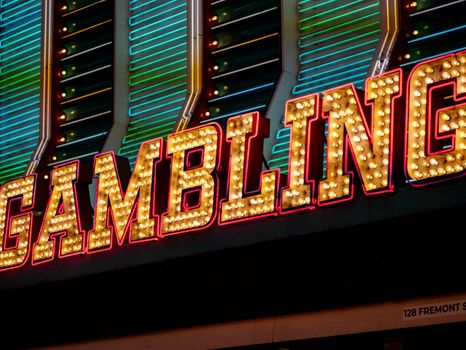
Bright neon sign displaying 'Gambling' with vibrant lights at night in Las Vegas. Photo: Joshua Santos / Pexels
The 20th century ushered in a new chapter for gambling in America, marked by cycles of prohibition, selective legalization, and unprecedented expansion. The nationwide ban on alcohol during Prohibition (1920-1933) inadvertently fueled the growth of illegal gambling, as speakeasies often housed card games, dice, and other illicit forms of wagering. This period highlighted the futility of outright bans, as the demand for gambling persisted, merely shifting operations underground and enriching criminal organizations. However, a pivotal moment arrived in 1931 when Nevada, grappling with the economic devastation of the Great Depression, made the bold decision to fully legalize casino gambling. This move was initially seen as a desperate measure, but it laid the foundation for what would become a global entertainment phenomenon: Las Vegas. For decades, Nevada held a near-monopoly on legal casino gambling in the United States, attracting tourists and high rollers from around the world. The image of the glittering Las Vegas Strip became synonymous with American gambling culture. This exclusivity began to erode in the latter half of the century. In 1976, New Jersey legalized casino gambling in Atlantic City, hoping to revitalize the struggling seaside resort. This marked the beginning of a slow but steady expansion of land-based casinos beyond Nevada. The most significant development in this expansion, however, came with the passage of the Indian Gaming Regulatory Act (IGRA) in 1988. This landmark federal legislation allowed Native American tribes to establish and operate casinos on their sovereign lands, leading to a massive boom in tribal gaming across the country. Today, tribal casinos generate billions of dollars annually, providing economic self-sufficiency for many tribes and becoming a significant part of the overall gambling landscape. The late 20th and early 21st centuries introduced an entirely new dimension to the history of gambling in America: the internet. The advent of online casinos, poker rooms, and sports betting platforms in the mid-1990s presented both immense opportunities and significant regulatory challenges. Initially operating in a legal grey area, online gambling quickly gained popularity, allowing individuals to place bets from the comfort of their homes. The Unlawful Internet Gambling Enforcement Act (UIGEA) of 2006 attempted to curb online gambling by prohibiting financial institutions from processing transactions for illegal internet gambling sites, but the industry continued to evolve. In recent years, a growing number of states have moved to legalize and regulate online sports betting and casino games, recognizing the potential for tax revenue and consumer protection. This ongoing digital transformation continues to reshape the industry, presenting new questions about responsible gaming, data security, and the future of traditional brick-and-mortar establishments. The story of gambling in America remains one of continuous adaptation and evolving societal attitudes, reflecting the nation's dynamic spirit.

Understanding the Evolution: Key Trends and Future Outlook
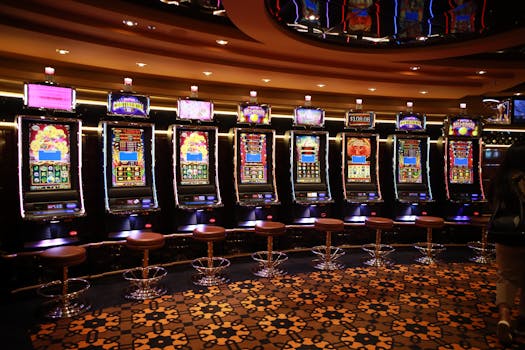
A row of luxury slot machines in a casino interior with plush stools, perfect for gaming enthusiasts. Photo: Elizabeth Ferreira / Pexels
The evolution of gambling in America is a fascinating study of changing societal norms, economic pressures, and technological advancements. From its early days as a means to fund public works to its current status as a multi-billion dollar industry, gambling has always mirrored the broader American experience. One of the most significant trends has been the shift from outright prohibition to a more regulated and controlled expansion. States have increasingly recognized the potential tax revenue generated by legal gambling, leading to a patchwork of laws across the country that allow for everything from state-run lotteries and horse racing to full-fledged commercial casinos, tribal gaming, and online betting. Another key trend is the increasing diversification of gambling options. Beyond traditional casinos, we've seen the rise of daily fantasy sports, esports betting, and various forms of social gaming that blur the lines between entertainment and wagering. Technology continues to be a primary driver of this diversification, making gambling more accessible and integrated into daily life through mobile apps and advanced online platforms. However, this accessibility also brings increased scrutiny regarding responsible gambling practices and the potential for problem gambling. Regulatory bodies and the industry itself are investing more in programs and tools designed to mitigate these risks, focusing on self-exclusion, deposit limits, and educational campaigns. The future of gambling in America appears to be one of continued growth and innovation, albeit within an increasingly complex regulatory environment. We can expect further expansion of online sports betting and casino gaming as more states seek to capitalize on new revenue streams. The integration of artificial intelligence and virtual reality could also open up entirely new forms of immersive gambling experiences. However, the industry will also face ongoing challenges, including public health concerns related to problem gambling, debates over advertising ethics, and the need to maintain trust and transparency. Understanding these historical trends and future outlooks is crucial for anyone interested in the dynamic and ever-evolving world of American gambling. Here are some key takeaways: * **Embrace Regulation:** The shift from illicit to regulated markets has been a hallmark of gambling's evolution, offering greater consumer protection and tax benefits. * **Technological Integration:** Digital platforms and mobile access are transforming how and where people gamble, requiring continuous adaptation from regulators and operators. * **Responsible Gaming Focus:** As accessibility increases, so does the emphasis on tools and support for responsible gambling to prevent and address potential harm. * **Economic Impact:** Gambling continues to be a significant economic driver, providing jobs and tax revenue for states and tribal nations. * **Societal Acceptance:** While controversies persist, there's a growing acceptance of gambling as a legitimate form of entertainment when properly managed and regulated.

Comparison

EraKey Gambling FormsLegality/RegulationSocietal Perception
Colonial EraLotteries, Card Games, DiceLargely Legal (Lotteries for public good)Pragmatic, often positive (for funding)
19th CenturyPoker, Faro, Horse RacingIncreasingly Illegal (Moral crusades)Mixed, growing negative (vice, corruption)
Early 20th CenturyIllegal Card Games, SpeakeasiesNationwide ProhibitionNegative, associated with crime
Mid-20th CenturyCasinos (Nevada/Atlantic City)Regionally Legal, Highly RegulatedEntertainment, tourism (controlled environments)
Late 20th/21st CenturyTribal Casinos, Online Betting, Sports BettingState-by-State Legalization, Varied RegulationMainstream entertainment, economic driver

What Readers Say

"This article on the history of gambling in America was incredibly thorough and engaging. I learned so much about how lotteries funded early America and the role of the Wild West. Truly an eye-opener!"

Sarah J. · Austin, TX

"As someone in the industry, I found the historical context invaluable. The piece accurately traces the journey from prohibition to the digital age, highlighting key turning points that shaped today's gambling landscape."

David M. · Las Vegas, NV

"I always thought gambling was just about casinos, but this article showed me its deep roots in American history, even funding prestigious universities. It completely changed my perspective on the subject."

Emily R. · Boston, MA

"A well-researched and detailed account. While it covered a lot, I would have loved a bit more on the specific regional variations in gambling laws prior to federal interventions. Still, a fantastic read overall."

Mark T. · Chicago, IL

"The section on tribal gaming was particularly insightful. It's important to understand the economic impact and sovereignty aspects. This article does an excellent job of presenting a comprehensive history."

Jessica L. · Seattle, WA

Frequently Asked Questions

What was the primary purpose of lotteries in early American history?

In early American history, lotteries were primarily used as a crucial fundraising mechanism. They helped finance a wide range of public works, including roads, bridges, and canals, and also supported the establishment of prominent educational institutions like Harvard and Yale, as well as churches and military defenses.

Was gambling always illegal in the United States?

No, gambling has not always been illegal. While there have been periods of widespread prohibition, particularly in the late 19th and early 20th centuries, gambling in various forms has been present since colonial times. Lotteries were legal and encouraged for public funding, and other forms of gambling were often tolerated before moral crusades led to bans.

How did Nevada become the first state to legalize casino gambling?

Nevada legalized casino gambling in 1931 as a desperate measure to boost its economy during the Great Depression. The state was sparsely populated and struggling financially, leading legislators to take a bold step that would eventually transform it into a global gambling hub, establishing Las Vegas as a premier destination.

What is the economic impact of gambling in America today?

The economic impact of gambling in America today is substantial. It generates billions of dollars in tax revenue for states and tribal nations, creates hundreds of thousands of jobs, and supports related industries like tourism, hospitality, and entertainment. It's a significant contributor to local and national economies.

How does tribal gaming differ from commercial casinos?

Tribal gaming operates on sovereign Native American lands under the Indian Gaming Regulatory Act (IGRA) of 1988, which allows tribes to conduct gaming to promote economic development and tribal self-sufficiency. Commercial casinos, on the other hand, are typically owned by private corporations and operate under state-specific laws and regulations on non-tribal lands. While both are regulated, the legal frameworks and underlying purposes differ significantly.

Who should be interested in the history of gambling in America?

Anyone interested in American social history, economic development, cultural trends, or the evolution of law and morality will find the history of gambling in America fascinating. It's also highly relevant for those working in the gaming industry, policymakers, and individuals curious about how a seemingly niche activity has profoundly shaped the nation.

What are the main safety concerns related to modern gambling?

The main safety concerns related to modern gambling primarily revolve around problem gambling and addiction. With increased accessibility through online platforms and mobile apps, there's a greater emphasis on responsible gaming initiatives, including self-exclusion programs, deposit limits, and support services to help individuals manage their gambling habits and prevent harm.

What future trends are expected in the American gambling industry?

Future trends in the American gambling industry are expected to include continued expansion of online sports betting and casino gaming into more states, driven by potential tax revenues. We also anticipate greater integration of advanced technologies like AI and VR for immersive experiences, along with an ongoing focus on enhanced responsible gaming measures and data security.

Delve deeper into the intricate story of American wagering and understand how it has shaped our past and continues to influence our future. Explore more about the fascinating history of gambling in America and gain a richer perspective on this enduring cultural phenomenon.

Topics: history of gambling in americagambling evolutionUS gambling lawscasino historyamerican gaming
Leo List
Brampton weed
Adultwork